Blepharoplasty and Functional Vision Improvement: Evidence-Based Insights
The practice of blepharoplasty plays a crucial role in the realm of functional vision improvement. In recent years, the technique has gained recognition not only for its cosmetic benefits but also for its ability to restore and optimise the visual field. This article explores the science behind blepharoplasty and functional vision improvement, providing an evidence-based insight into how this procedure can help alleviate visual impairment caused by redundant eyelid tissues. Drawing on robust scientific literature, the reviews demonstrate that well-indicated blepharoplasty can lead to significant functional benefits and enhanced patient satisfaction12. Each case is unique and must be individually evaluated during a medical consultation, respecting clinical indications and realistic expectations.
Understanding Eyelid Anatomy and the Role of Blepharoplasty in Functional Vision Improvement
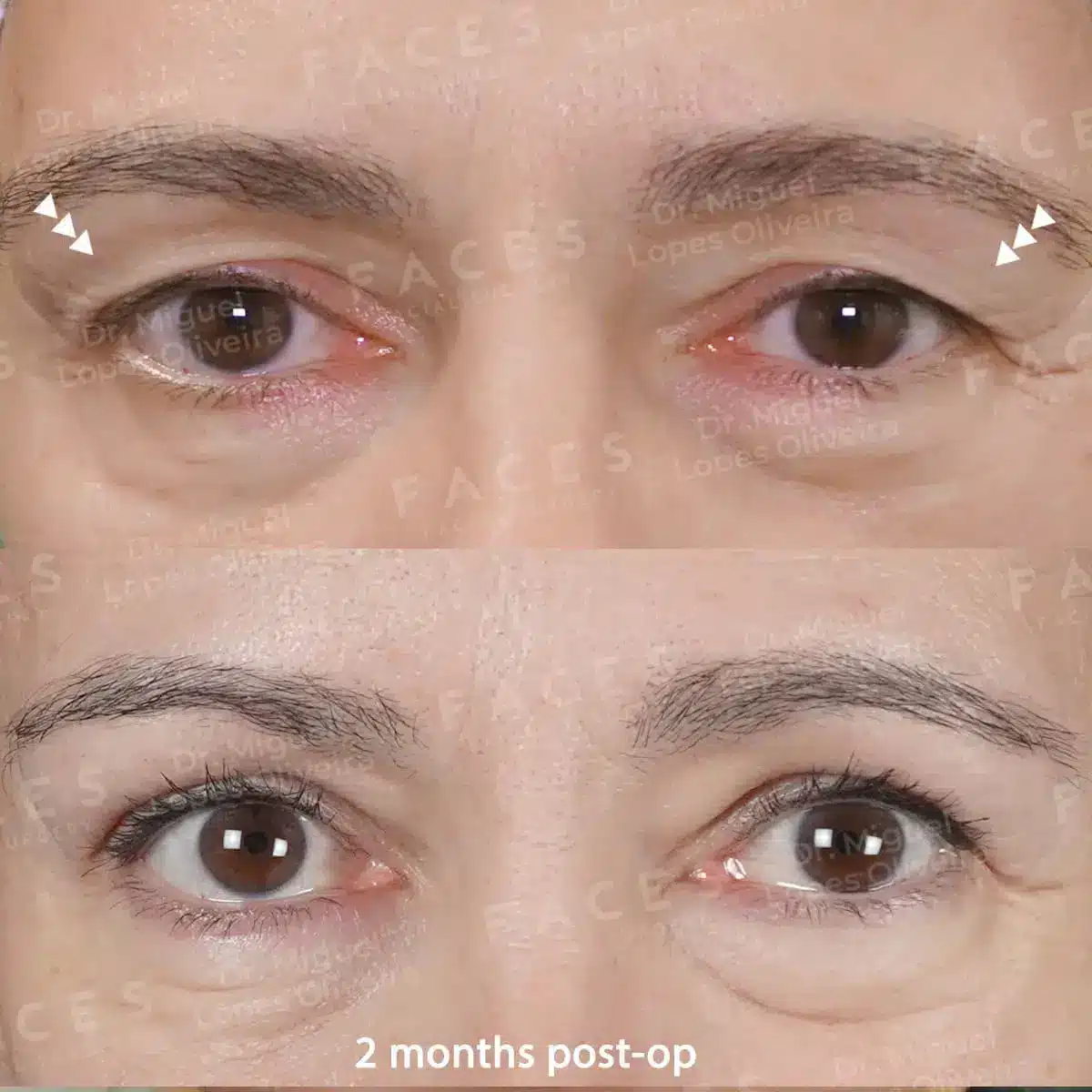
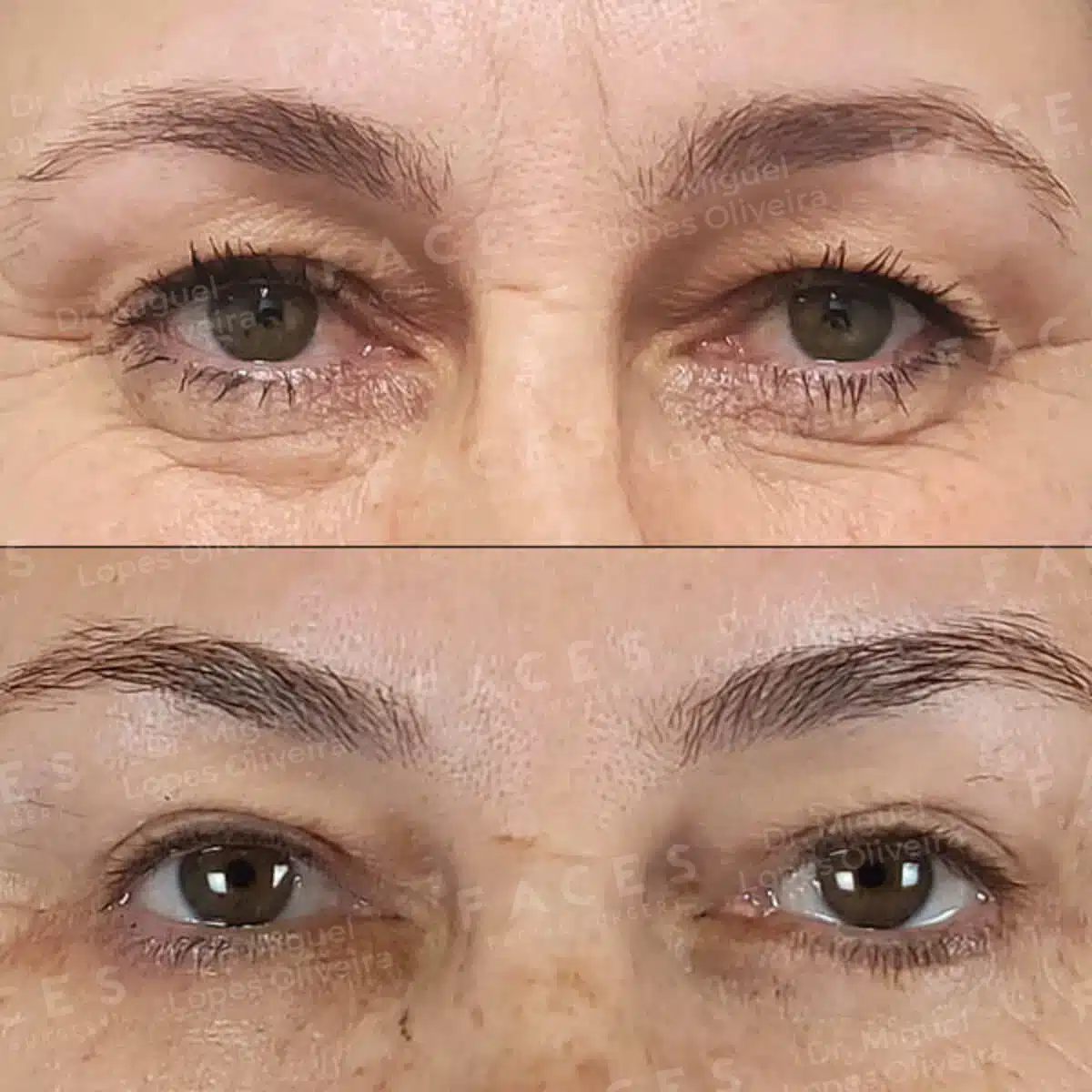
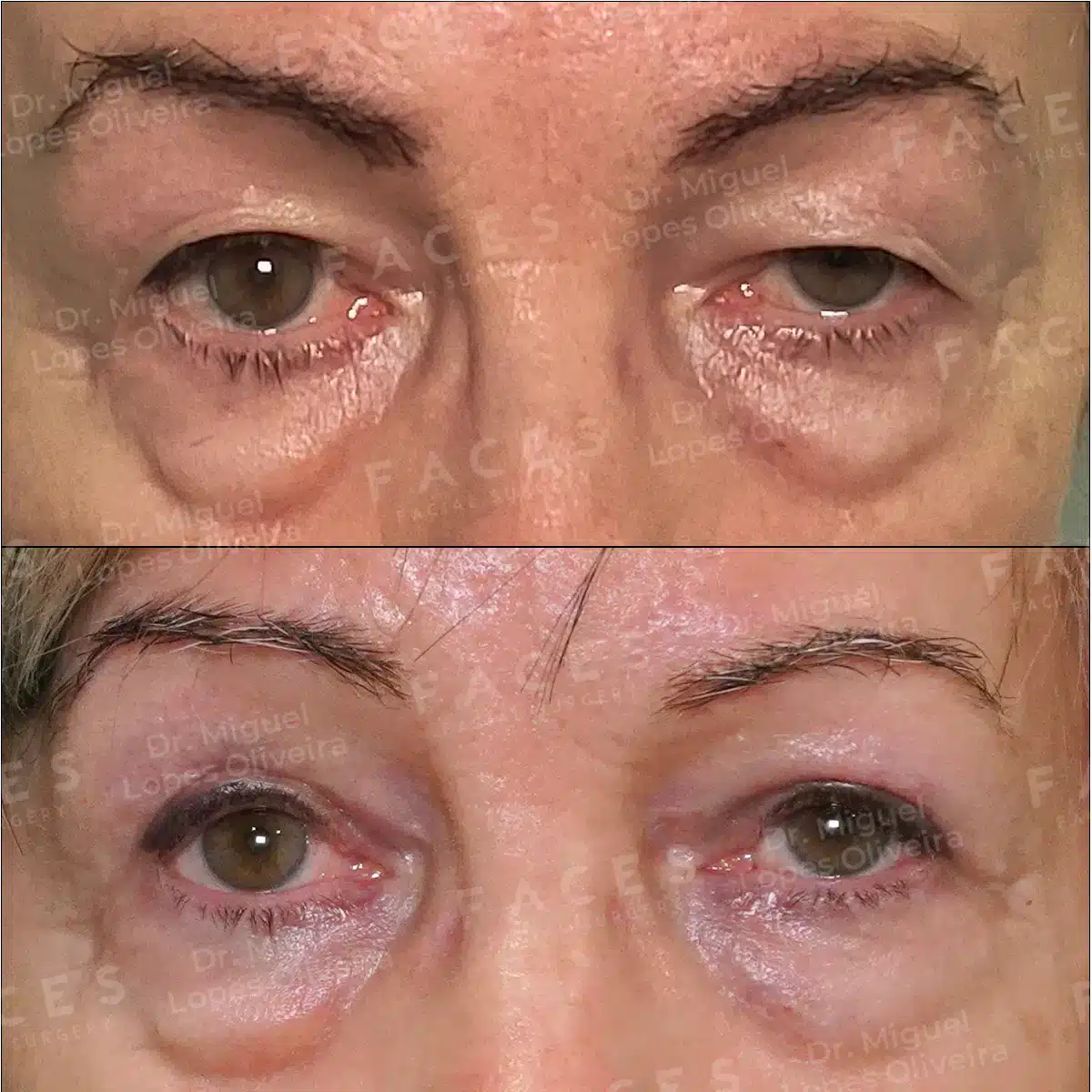
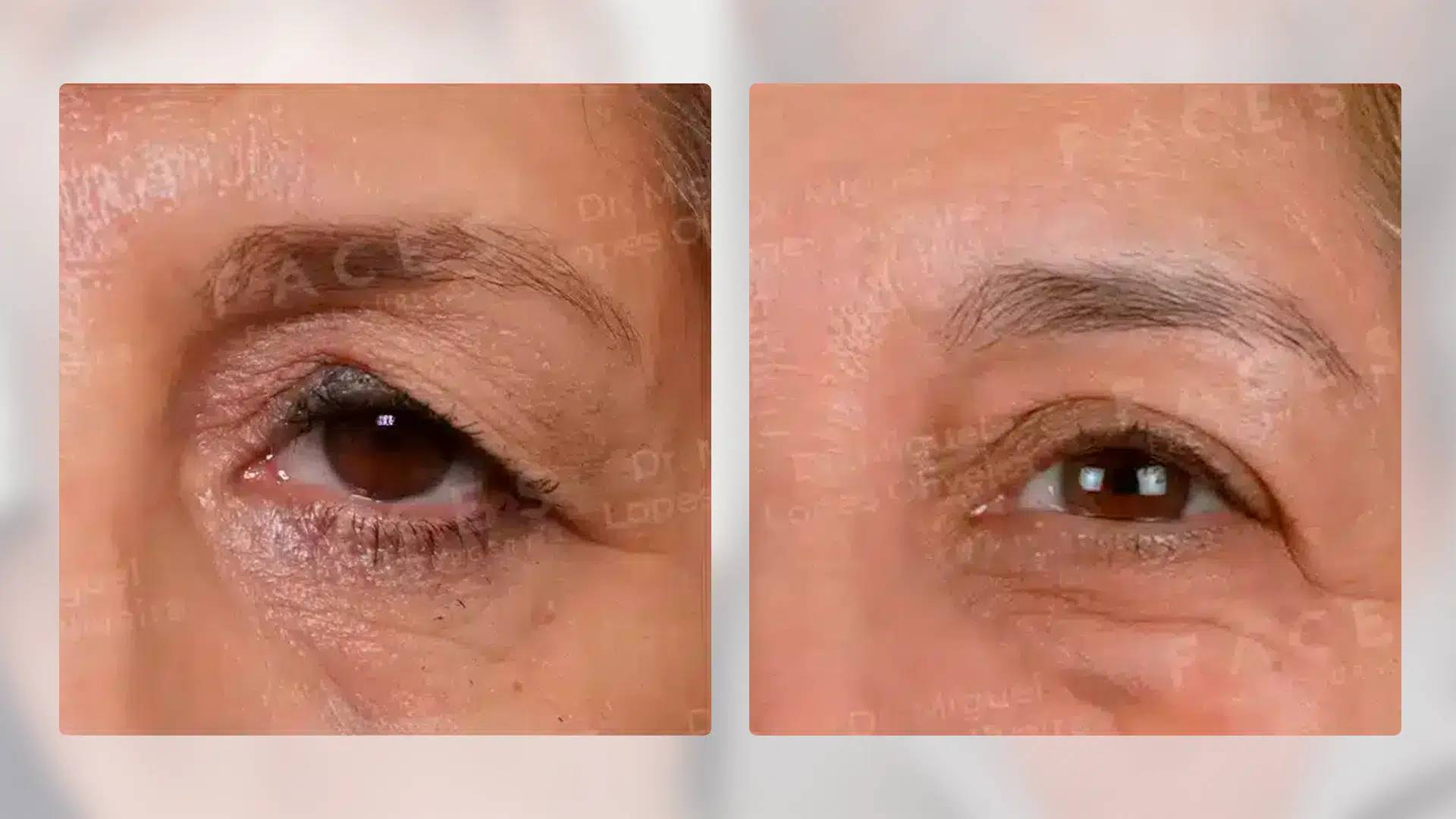
The eyelids are not simply a matter of aesthetics; they function as protective structures and play an essential role in regulating moisture and shielding the ocular surface from debris. Excess skin (dermatochalasis) or drooping tissues may impede the superior visual field, a condition that can negatively affect daily activities such as reading or driving. In the context of blepharoplasty and functional vision improvement, the removal of redundant upper eyelid skin offers a dual benefit—enhancing both appearance and visual field functionality.
A thorough knowledge of the anatomical structures is indispensable for appreciating the impact of eyelid surgery. The upper eyelid, composed of skin, muscle, and supportive connective tissues, when overloaded with excess tissue, often restricts the upward gaze. This condition may manifest as a reduced peripheral vision, leading to disturbances in overall visual function. There is a growing body of evidence supporting the beneficial impact of surgically removing the excess tissue on the visual field2. Such interventions, when properly indicated, can markedly contribute to blepharoplasty and functional vision improvement.
Clinical Indications and Candidate Evaluation for Blepharoplasty and Functional Vision Improvement
Not all patients with redundant upper eyelid tissue are ideal candidates for blepharoplasty aimed at functional vision improvement. The primary clinical indication revolves around visual field impairment caused by an excess of eyelid tissue. Patients presenting with complaints of a narrowed field of vision, frequent eye strain, and difficulty keeping the eyes open for extended periods are often considered for evaluation.
The comprehensive preoperative assessment involves visual field testing and a detailed ocular examination to identify functional limitations. Evaluation criteria consider factors such as age, skin elasticity, the degree of hooding, and overall ocular health. Studies have reported that a substantial reduction in visual field obstruction is achievable with targeted surgical intervention, thereby underscoring the role of blepharoplasty and functional vision improvement in patient management3.
A detailed discussion regarding the expected outcomes is essential. Patients must understand that improvement in visual function is contingent on their specific anatomical features, the extent of eyelid redundancy, and the presence of other ocular issues. Ultimately, the decision to proceed with surgery is based on a careful balance between functional benefits and a realistic appreciation of potential limitations. Each case is unique and must be individually evaluated during a medical consultation, respecting clinical indications and realistic expectations.
Surgical Technique: Approach to Blepharoplasty and Functional Vision Improvement
The surgical procedure for upper blepharoplasty has been refined over recent decades to maximise functional outcomes while ensuring patient safety. Typically performed under local anaesthesia, the conventional approach involves the careful excision of redundant skin and, if necessary, a modest reduction of fat tissue. The aim is to open up the visual field without compromising the natural structure or protective mechanism of the eyelid.
During the procedure, the surgeon makes precise incisions along the natural crease of the eyelid, facilitating a balanced removal of excess tissue. This meticulous technique not only provides an aesthetically pleasing result but also significantly contributes to blepharoplasty and functional vision improvement by reducing ocular obstruction. Postoperative management, which includes close telephone follow-up consultation by FACES, is an integral component of ensuring optimal recovery and addressing any concerns promptly.
The functional benefits realised from such a procedure have been documented in systematic reviews and meta-analyses comparing objective visual field assessments before and after surgery. These studies demonstrate that patients often experience measurable improvements in the superior visual field, thus confirming the beneficial role of blepharoplasty and functional vision improvement in selected cases3.
Functional Outcomes and Patient Satisfaction: Evaluating the Impact
Evaluating the success of blepharoplasty from a functional perspective requires a combination of objective and subjective outcome measures. Objective assessments, such as visual field tests, typically reveal a marked expansion in the superior field following surgery. Simultaneously, subjective evaluations indicate that many patients report a reduction in symptoms such as eye strain and visual fatigue. These data underpin the concept that blepharoplasty and functional vision improvement work in tandem to enhance overall quality of life.
Evidence from recent systematic reviews underscores how objective measures of visual field improvement align with patient-reported benefits during daily activities2. Improved functionality, coupled with enhanced confidence derived from clearer vision, forms a compelling argument for considering blepharoplasty and functional vision improvement as a dual-purpose intervention. Furthermore, patient satisfaction surveys indicate that individuals experience significant enhancements in both their vision and comfort after surgery, although results naturally vary according to individual pathology and surgical technique.
It is imperative to emphasise that, while the literature is robust, each patient’s outcome is influenced by myriad factors, including the precise surgical method and the integrity of the ocular surface. Consistent follow-up, mostly by telephone at FACES, ensures that any deviations from expected outcomes are swiftly managed. This holistic approach reinforces the commitment to both functional vision improvement and patient safety, substantiating the role of blepharoplasty in restoring and maintaining optimal vision.
Risks, Complications and Post-operative Care in Blepharoplasty and Functional Vision Improvement
As with any surgical intervention, blepharoplasty carries inherent risks and potential complications, although these risks are generally low when the procedure is performed in appropriately selected patients. Common risks include mild bruising, swelling, and temporary dry eye symptoms. In rare cases, patients may experience more significant complications such as infection or an unsatisfactory visual outcome. However, when performed by experienced surgeons adhering to stringent clinical standards, the risk profile remains favourable.
Post-operative care is a critical component in ensuring a smooth recovery and sustained functional gains. FACES primarily conducts follow-up via telephone to monitor recovery progress, manage any arising complications, and provide guidance for at-home care. Patients are advised to avoid strenuous activities immediately after surgery and are generally prescribed lubricants and topical medications as necessary. These strategies are essential in minimising complications and fostering optimal healing, further enhancing the outcomes of blepharoplasty and functional vision improvement.
It is important for patients to be aware that while significant functional improvement is commonly achieved, the degree of benefit may vary. Each case is unique and must be individually evaluated during a medical consultation, respecting clinical indications and realistic expectations. Realistic preoperative instructions and comprehensive post-operative support collectively act to mitigate risks while maximising the functional benefits of the procedure.
Scientific Evidence Supporting Blepharoplasty and Functional Vision Improvement
The body of literature underpinning the application of blepharoplasty for functional vision improvement is extensive and continually evolving. One systematic review highlighted that upper eyelid blepharoplasty can yield significant enhancements in visual field parameters, thereby supporting the functional indications for the surgery1. Notably, this review emphasised the importance of objective assessments in documenting outcome improvements post-surgery.
Another study, which analysed both objective and subjective outcome measures, found that patients not only experienced measurable functional improvements but also reported high levels of satisfaction regarding symptomatic relief and enhanced quality of life2. These findings are particularly pertinent in the context of blepharoplasty and functional vision improvement, where the dual goals of enhanced functional performance and improved aesthetics converge.
A more recent systematic review and meta-analysis of randomised controlled trials further consolidates the evidence base by demonstrating that upper blepharoplasty results in statistically significant improvements in the superior visual field, thereby confirming its role in functional vision improvement3. By integrating large-scale data and standardised outcome measures, these reviews provide a scientifically robust rationale for the procedure.
Additionally, professional bodies such as the American Academy of Ophthalmology have issued reports on the functional indications for upper eyelid ptosis and blepharoplasty surgery. These guidelines emphasise the importance of addressing functional deficits through surgical intervention4, advocating a judicious and evidence-based approach to patient selection to ensure that only those who stand to benefit functionally undergo the procedure.
Overall, the scientific literature reinforces the dual role of blepharoplasty—not only as an aesthetic intervention but also as a functional solution for patients experiencing visual field impairment. The integration of robust objective and subjective outcome measurements confirms that blepharoplasty and functional vision improvement are intimately connected, offering tangible benefits in terms of vision and daily function.
Patient Perspectives and the Role of FACES in Enhancing Vision Function
Patient experiences and perspectives are pivotal in shaping current clinical practices in blepharoplasty and functional vision improvement. Many individuals who have undergone the surgery report not only an improvement in physical appearance but also a significant enhancement in their daily visual performance. Patients have noted reductions in visual fatigue, fewer headaches associated with eye strain, and an overall improvement in their ability to perform tasks requiring sustained visual attention.
At FACES, personalised treatment planning is paramount. The process begins with a thorough evaluation of both aesthetic concerns and functional impairments. Open communication regarding realistic outcomes is central to ensuring that each patient’s expectations are aligned with the likely functional benefits. This patient-centred approach fosters trust and underlines a commitment to achieving optimal results in blepharoplasty and functional vision improvement.
Moreover, long-term follow-up is an integral part of the care continuum. Through routine telephone consultations, FACES ensures that the recovery process is carefully monitored, promptly addressing any issues and providing tailored postoperative guidance. This model not only reinforces patient safety but also demonstrates the clinic’s ongoing commitment to evidence-based practice in blepharoplasty and functional vision improvement.
Patient testimonials and satisfaction surveys further highlight the dual gains achieved through surgical intervention, with many individuals reporting immediate functional benefits alongside enhanced confidence derived from improved vision. The convergence of clinical data and patient-reported outcomes validates the essential role of blepharoplasty in restoring and enhancing visual performance, thereby contributing to an overall improvement in quality of life.
Conclusion: Advancing Visual Function with Blepharoplasty and Functional Vision Improvement
Blepharoplasty stands as a testament to the advances in medical science that enable the dual enhancement of aesthetics and functional vision. The procedure not only refines the appearance of the upper eyelids but also plays a significant role in expanding the superior visual field, making everyday tasks easier and more comfortable. As clinical evidence confirms, blepharoplasty and functional vision improvement are intricately linked, offering tangible benefits for patients experiencing ocular obstruction due to redundant eyelid tissues.
Clinical studies employing objective visual field measurements alongside patient satisfaction surveys provide robust evidence supporting the functional benefits of the intervention1234. The importance of detailed preoperative evaluation, modern surgical techniques, and comprehensive postoperative care cannot be overstated, as these elements collectively ensure that improvements in visual function are maximised while potential complications are minimised.
At FACES, individualised treatment planning and diligent postoperative care, predominantly managed through telephone follow-up, guarantee that each patient receives a tailored approach aimed at optimising the outcomes of blepharoplasty and functional vision improvement. It is crucial to remember that each case is unique and must be individually evaluated during a medical consultation, respecting clinical indications and realistic expectations.
In summary, blepharoplasty and functional vision improvement provide a valuable option for individuals whose daily lives are compromised by a diminished visual field. The integration of scientific evidence with meticulous clinical practice continues to pave the way for safe, effective, and patient-centred interventions—ultimately enhancing both functional vision and overall quality of life.
References
- Anon. (n.d.). Functional outcomes of upper eyelid blepharoplasty: A systematic review. Journal of Ophthalmic Surgery. Available at https://pubmed.ncbi.nlm.nih.gov/30528286/
- Anon. (n.d.). Functional benefits and patient satisfaction with upper blepharoplasty – evaluated by objective and subjective outcome measures. Journal of Ophthalmic Research. Available at https://pubmed.ncbi.nlm.nih.gov/28205342/
- Anon. (n.d.). Functional and Aesthetic Outcomes After Upper Blepharoplasty: A Systematic Review and Meta-analysis of Randomized Control Trials. Clinical Ophthalmology. Available at https://pubmed.ncbi.nlm.nih.gov/40152471/
- Anon. (n.d.). Functional indications for upper eyelid ptosis and blepharoplasty surgery: A report by the American Academy of Ophthalmology. Ophthalmology Reports. Available at https://pubmed.ncbi.nlm.nih.gov/22019388/