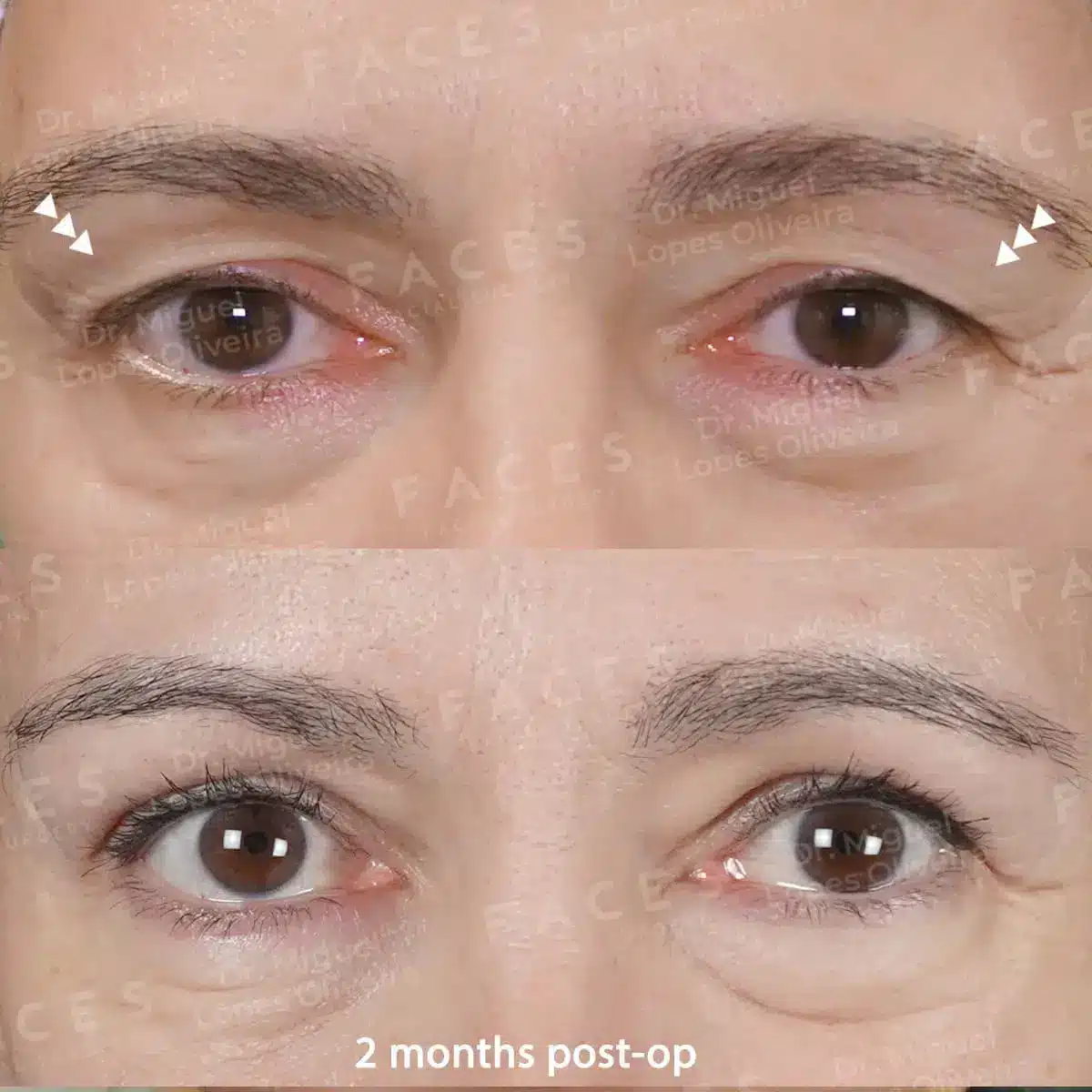
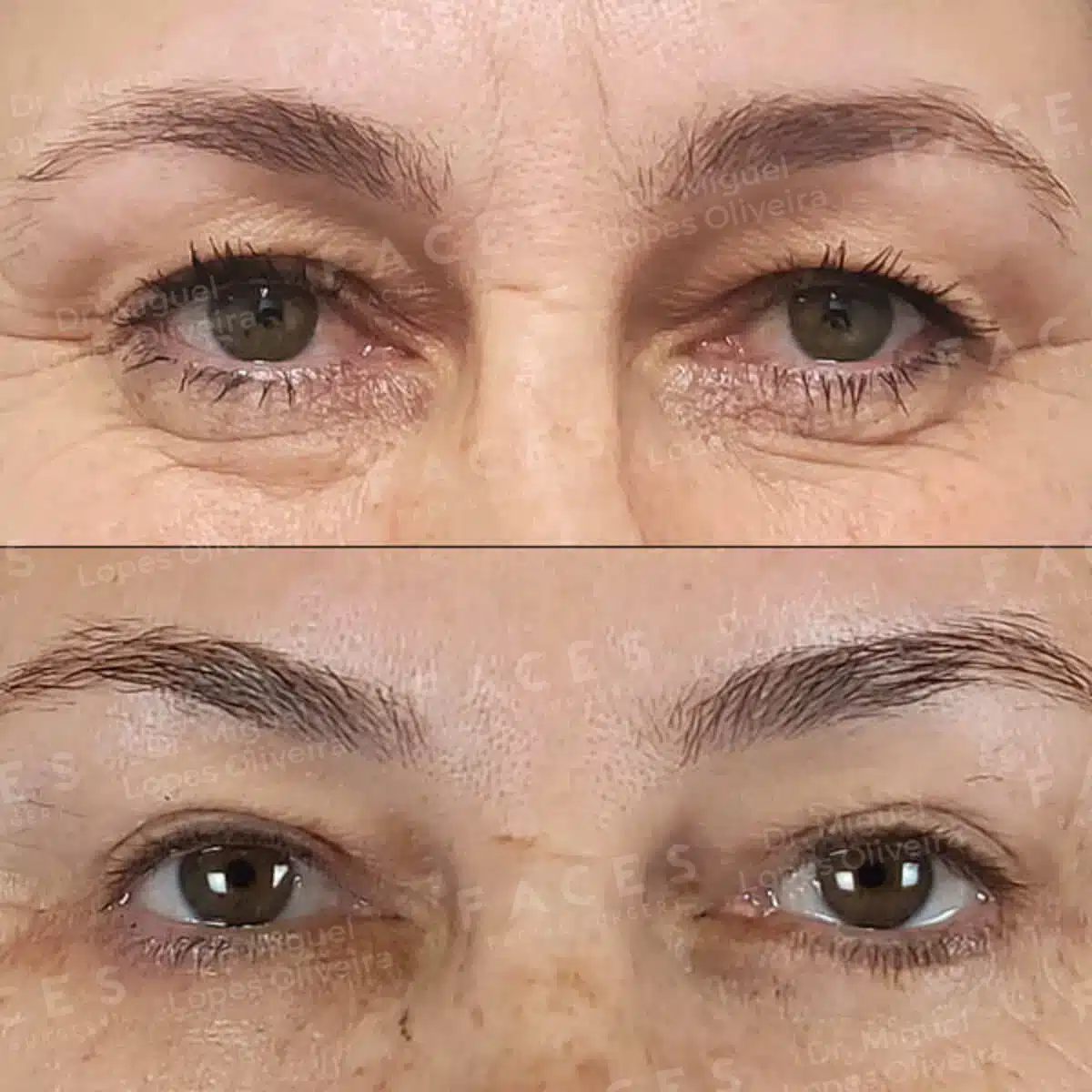
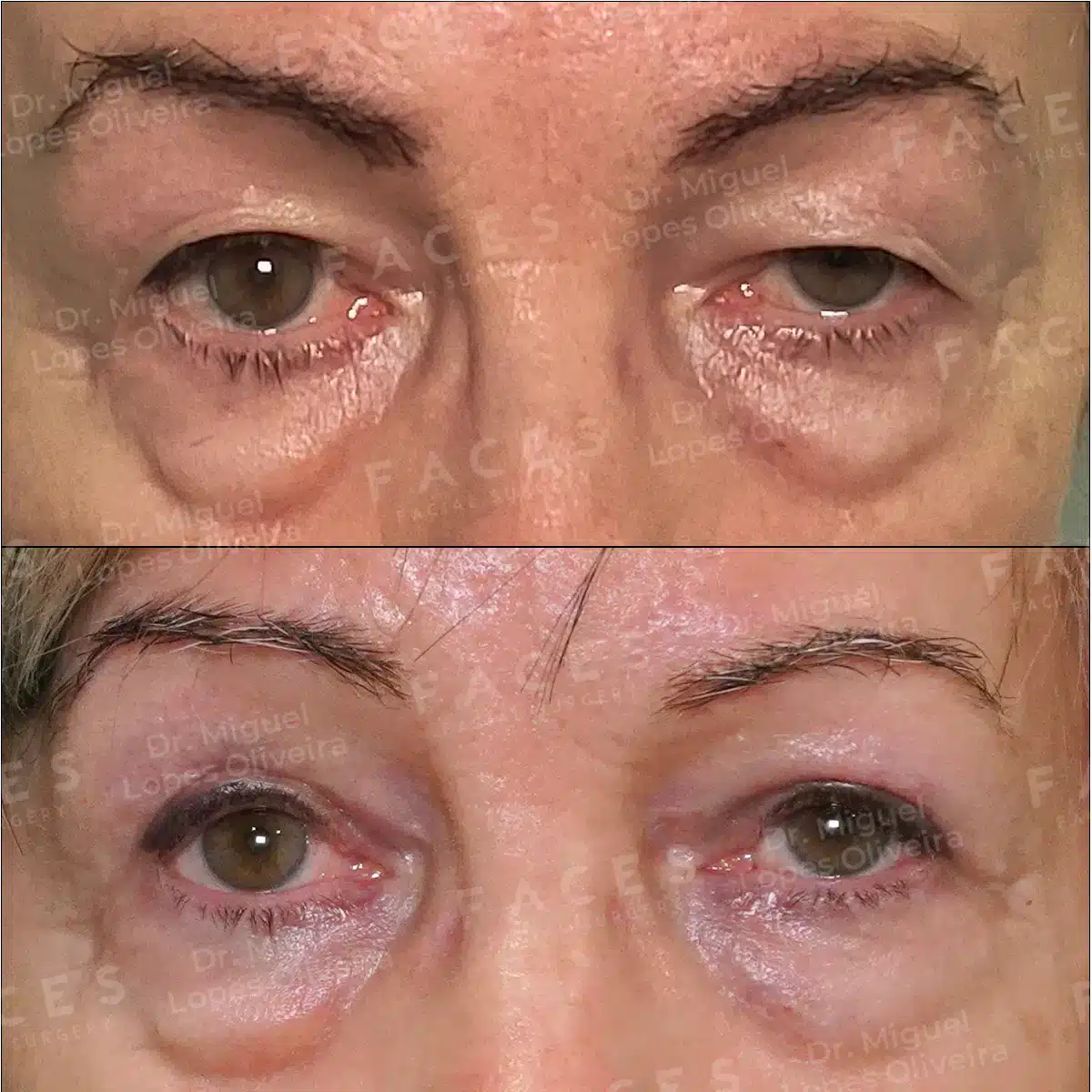
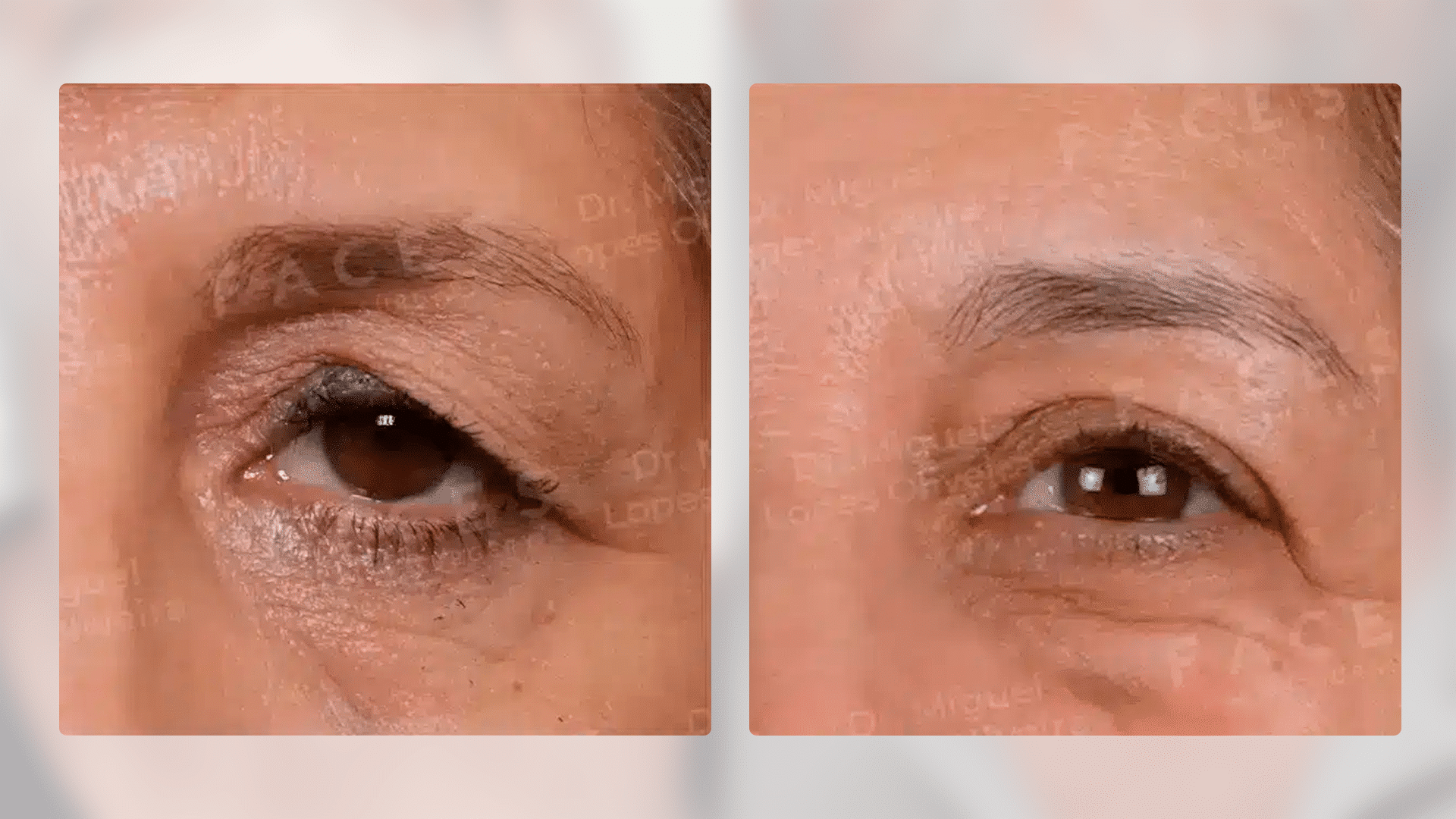
In a context where ocular health and visual well-being are gaining increasing importance, the discussion on blepharoplasty and functional vision improvement is based on both objective evidence and clinical experience. This procedure goes far beyond mere cosmetic correction, providing significant functional improvement that impacts patients’ quality of life. At FACES, the approach is integrated and grounded in a detailed evaluation of each case, enabling the restoration of aesthetics to be combined with effective improvement of visual function, making blepharoplasty and functional vision improvement an indispensable intervention in ocular rehabilitation.
Anatomical and Functional Aspects of the Eyelid Region
Understanding the anatomy of the eyelid region is essential for the successful execution of blepharoplasty and functional vision improvement. Excess connective tissue, coupled with skin elasticity degradation and natural ageing, contributes to changes in the composition and structure of the eyelids, potentially leading to visual field restriction and ocular discomfort. Studies reveal that anatomical changes directly interfere with ocular function, highlighting the importance of a surgical intervention that respects the integrity of the eye’s protective mechanisms while promoting effective removal of excess tissue1.
During the evaluation of eyelid structures, conditions such as dermatochalasis and ptosis are found to compromise tissue distribution and the aesthetic and functional balance of the eyelid. In these situations, implementing blepharoplasty and functional vision improvement not only restores aesthetic proportions but also optimises eyelid opening and reduces pressure on the eyeball, contributing to a measurable improvement in visual parameters. The integration of this intervention in the clinical context underscores the relevance of a thorough anatomical analysis to achieve results that combine safety and efficacy.
Another relevant aspect is the relationship between eyelid anatomy and ocular protection dynamics. The proper distribution of tissues and the natural contour of the eyelids play a vital protective role for the eyeball, preventing excessive exposure and contributing to the stability of visual function. Thus, blepharoplasty and functional vision improvement, by correcting anatomical deviations, not only elevate aesthetic standards but also reinforce the natural ocular protection mechanism, becoming an ally in the overall care of visual health.
Pre-operative Assessment and Functional Criteria
Conducting a meticulous pre-operative assessment is the cornerstone for the success of blepharoplasty and functional vision improvement. During this phase, the surgeon evaluates various parameters, including visual field analysis, eyelid integrity, and corneal conditions. The use of objective measuring instruments and detailed clinical examinations allows the creation of a personalised therapeutic plan, ensuring that the indication for intervention is based on robust criteria and that the expected results reflect effective improvements in visual function1.
In addition to routine examinations, the evaluation process includes a thorough analysis of the patient’s ocular history, considering factors such as chronic conditions that may be exacerbated by eyelid ageing. This data enables the surgical strategy to be adapted, precisely defining expectations in terms of functional and visual improvement. Thus, the decision to perform blepharoplasty and functional vision improvement is made prudently, supported by both objective parameters and the subjective perception of impact on quality of life.
Complementary examinations, ranging from visual acuity tests to corneal biomechanics analyses, play a determining role in identifying subtle changes that, if not corrected, may compromise ocular function. This integrated approach ensures that blepharoplasty and functional vision improvement is indicated only when benefits outweigh risks, promoting a safe and effective intervention.
Objective and Subjective Effects of the Intervention
One of the most notable aspects of blepharoplasty and functional vision improvement lies in reconciling objective effects with the subjective benefits perceived by patients. From an objective standpoint, the intervention has shown to provide significant improvements in visual field, acuity, and corneal biomechanics, attributes that are measured and validated in various scientific studies2,3. Correction of excess eyelid tissue reduces pressure on the cornea and optimises muscle force distribution, positively impacting ocular functionality.
Simultaneously, the subjective effects of the intervention are equally relevant. Many patients report a sensation of increased brightness, clarity, and visual comfort after the surgery, aspects that cannot be purely measured objectively but significantly impact quality of life. Thus, blepharoplasty and functional vision improvement offers a balanced combination of measurable gains and subjective perceptions, reflecting its effectiveness as an ocular rehabilitation tool4.
In terms of objective results, repeated clinical examinations demonstrate that, after the intervention, there is a measurable expansion of the visual field and an improvement in contrast sensitivity. These changes reinforce the idea that blepharoplasty and functional vision improvement not only corrects aesthetic excess but also restores crucial functionality for the patient’s daily performance. The alignment between quantitative data and personal accounts highlights the relevance of a holistic approach in evaluating the outcomes achieved.
Scientific Studies and Clinical Foundation
The robustness of scientific studies that analyse blepharoplasty and functional vision improvement is one of the pillars supporting its clinical indication. Various systematic reviews and meta-analyses have demonstrated that the benefits achieved with this procedure extend from aesthetic improvements to relevant functional gains, proven by quantitative and qualitative assessment methods2,6,10. Such evidence provides a solid foundation for the indication of the intervention, promoting its integration into clinical practice.
The scientific literature has emphasised that the beneficial effects of blepharoplasty and functional vision improvement are not limited to correcting visible signs of ageing but also encompass the recovery of essential parameters such as visual acuity and corneal biomechanics. Studies using tomographic analyses and specialised measuring devices demonstrate that the removal of excess eyelid tissue results in a balanced redistribution of ocular pressure, translating into improved and sustainable functional outcomes over time3.
Additionally, the consolidation of statistical data from cohort studies and controlled trials reinforces the safety and efficacy of this intervention. The integration of clinical parameters and subjective evaluations allows a comprehensive view of the achieved benefits, justifying the judicious application of blepharoplasty and functional vision improvement in patients with anatomical and functional impairment. This robust scientific foundation also encourages further research to refine protocols and broaden the range of therapeutic indications.
Clinical-Operative Approach at FACES
At FACES, the clinical-operative approach to blepharoplasty and functional vision improvement is grounded in scientific rigour and careful individualisation of each case. In opting for this intervention, FACES professionals apply a traditional and validated surgical technique that minimises risks and enhances functional benefits without resorting to speculative methods. The procedure begins with a meticulous clinical evaluation, followed by the execution of a technique aimed at precise removal of excess tissue, always preserving structures essential for ocular functionality1.
The working philosophy at FACES is based on understanding the particularities of each patient, valuing a personalised approach that integrates aesthetic expectations with functional needs. During the planning of the intervention, every detail – from anatomical parameters to visual field measurement – is rigorously evaluated, ensuring that blepharoplasty and functional vision improvement is performed in a way that maximises results and minimises potential complications.
The clinical experience of professionals, combined with the use of consolidated protocols, allows surgical techniques to be adjusted according to individual characteristics, ensuring efficient recovery and long-lasting results. This personalised method highlights that blepharoplasty and functional vision improvement is not merely a cosmetic intervention, but a therapeutic strategy that promotes long-term ocular health.
Post-operative, Follow-up, and Specific Care
The post-operative period of blepharoplasty and functional vision improvement is one of the critical moments for consolidating the results achieved. At FACES, follow-up is conducted rigorously through telephone contact, allowing for continuous monitoring of progress and readiness to intervene in case of specific needs7. This personalised follow-up strategy ensures that any changes in visual function are quickly identified and addressed, reinforcing the procedure’s effectiveness.
Immediately after the intervention, patients receive detailed guidance on care to be adopted, including eye hygiene measures, protection against intense sun exposure, and the need for adequate rest. Such recommendations are fundamental to preventing complications and promoting the integration of the results obtained with blepharoplasty and functional vision improvement over time.
The consolidation of post-operative benefits is also ensured through continuous communication between the patient and the healthcare professional, allowing the therapeutic plan to be adapted should unexpected symptoms arise. This collaborative and structured approach, which includes follow-up by telephone contact, substantiates the importance of rigorous follow-up to maintain the effectiveness of functional results and the overall improvement of ocular health.
Additionally, reinforcing instructions and periodic verification of clinical progress ensure that the gains achieved during surgery persist, consolidating the benefits of blepharoplasty and functional vision improvement in the patient’s daily life.
Case Selection and Appropriate Surgical Techniques
The indication for blepharoplasty and functional vision improvement must be carefully considered, as not all patients with signs of ageing or excess tissue present functional limitations that justify the intervention. The meticulous selection of cases involves an integrated analysis of symptoms, clinical history, and pre-operative examination results, allowing for the identification of individuals who will genuinely benefit from the intervention12.
At this stage, a clear distinction is made between purely aesthetic interventions and those with a consistent functional purpose. The presence of visual field restrictions, persistent ocular discomfort, and difficulty in performing daily tasks are indicators that reinforce the need for blepharoplasty and functional vision improvement. The decision to intervene is based on objective criteria, ensuring that the expected benefits are achieved safely and effectively.
The evolution of surgical techniques has enabled increasingly personalised procedures, adapted to the anatomical particularities of each patient. This individualised focus minimises risks and maximises functional gains, demonstrating that blepharoplasty and functional vision improvement is an intervention that combines technical precision with clinical safety, tailored to specific needs and promoting long-lasting results.
Impact on Quality of Life and Subjective Results
The effects of blepharoplasty and functional vision improvement transcend technical and measurable aspects, significantly impacting patients’ quality of life. The improvement in the visual field favours the performance of daily tasks with greater independence, from reading to driving, which results in increased well-being and personal confidence. Subjective reports demonstrate a positive perception of visual clarity and comfort, showing that the gains achieved are not restricted to clinical parameters alone9.
In addition to objective benefits, it is possible to observe a reduction in symptoms associated with eye strain and blurred vision, factors that directly influence disposition and quality of daily moments. Integrating objective outcomes with patients’ subjective perception reinforces the importance of blepharoplasty and functional vision improvement as a transformative tool in the lives of those facing visual challenges due to ageing or specific anatomical conditions.
Prospective studies corroborate that functional benefits are maintained over the long term, provided the patient rigorously follows post-operative instructions and maintains regular follow-up. This synergy between technical and subjective aspects highlights the intervention’s potential to enhance quality of life, creating an experience that goes beyond mere cosmetic correction.
Safety, Limitations, and Realistic Expectations
Despite positive results and robust scientific evidence, it is essential to recognise that blepharoplasty and functional vision improvement has limitations inherent to each case. Age, pre-existing conditions, and the quality of eyelid tissues can influence outcomes and the response to surgery. Therefore, it is crucial to have clear communication between doctor and patient, in order to establish realistic expectations and avoid misinterpretations of expected results12.
The safety of this intervention has been widely demonstrated in clinical studies, with generally low risks when the procedure is performed by experienced professionals and with strict indications. However, every patient is unique, and variability in results can be observed even when all protocols are followed precisely. Thus, it is imperative that the discussion about blepharoplasty and functional vision improvement includes both potentialities and limitations, to promote informed decision-making aligned with scientific evidence.
Establishing realistic expectations is essential for therapeutic success. Health professionals strive to align proven clinical benefits with individual patient needs, emphasising that while the results can be highly satisfactory, they depend on the unique characteristics of each case. This transparent and well-founded approach helps patients understand that blepharoplasty and functional vision improvement is an intervention that, although promising, must be considered within the overall context of ocular health.
Conclusion
Blepharoplasty and functional vision improvement represent a comprehensive intervention that combines aesthetic benefits with significant improvements in visual function. The detailed analysis of anatomical aspects, rigorous pre-operative evaluation, and functional gains validated by scientific studies consolidate the role of this procedure in ocular rehabilitation. At FACES, the personalised approach, which integrates traditional and proven methods, ensures that each patient receives treatment tailored to their specific needs, enhancing both aesthetic and functional results2.
In an integrated manner, the results achieved through blepharoplasty and functional vision improvement demonstrate that the intervention goes far beyond mere cosmetic correction, promoting a true rehabilitation of ocular function. The improvement in the visual field, combined with the reduction of discomfort symptoms and the optimisation of performance in daily activities, establishes this procedure as a robust tool for promoting visual health. The accumulated experience and scientific rigour applied at FACES reinforce that, when indicated judiciously, the intervention can bring significant and sustainable gains to patients.
In conclusion, the review of available scientific data and clinical practice at FACES confirm that blepharoplasty and functional vision improvement emerges as an innovative and effective intervention. Its application, based on rigorous criteria and structured follow-up, allows benefits to be maintained over the long term, improving not only visual parameters but also the quality of life of those who undergo this procedure. Thus, the balance between functional gains and aesthetic aspects makes the intervention a benchmark in ocular rehabilitation, demonstrating the importance of evaluating it based on evidence and realistic expectations.
In summary, blepharoplasty and functional vision improvement emerge as a complete solution for challenges associated with excess eyelid tissue and functional changes due to ageing. With an integrative methodology that encompasses everything from pre-operative assessment to post-operative follow-up, this procedure promotes consistent and measurable results, contributing to an overall improvement in ocular health. Continuity in research and the refinement of surgical techniques bolster the transformative potential of this intervention, which has already proven to be capable of transforming patients’ visual experiences and elevating the standard of ophthalmic care.
Each case is unique and should be evaluated individually during a medical consultation, respecting clinical indications and realistic expectations.
References
- Quantitative evaluation of the effects of blepharoplasty on visual field, corneal changes, and aesthetic appearance. (2023). Journal. Available at https://pubmed.ncbi.nlm.nih.gov/39392642/
- Functional outcomes of upper eyelid blepharoplasty: a systematic review. (2023). Journal. Available at https://pubmed.ncbi.nlm.nih.gov/30528286/
- The effect of upper eyelid blepharoplasty on corneal biomechanical parameters measured by the Corvis ST. (2023). Journal. Available at https://pubmed.ncbi.nlm.nih.gov/40012797/
- Functional benefits and patient satisfaction with upper blepharoplasty – assessed by objective and subjective outcome measures. (2023). Journal. Available at https://pubmed.ncbi.nlm.nih.gov/28205342/
- Effect of upper eyelid blepharoplasty on vision and corneal tomographic changes measured by Pentacam. (2023). Journal. Available at https://pubmed.ncbi.nlm.nih.gov/26186387/
- Changes in refraction and visual acuity after upper eyelid blepharoplasty versus posterior approach ptosis procedures. (2023). Journal. Available at https://pubmed.ncbi.nlm.nih.gov/32135543/
- Effects of upper eyelid blepharoplasty on visual quality in patients with eyelash ptosis and dermatochalasis. (2023). Journal. Available at https://pmc.ncbi.nlm.nih.gov/articles/PMC5028669/
- Functional and aesthetic outcomes following upper blepharoplasty: a systematic review and meta-analysis of randomised controlled trials. (2023). Journal. Available at https://pubmed.ncbi.nlm.nih.gov/40152471/
- Impact of blepharoptosis surgery on vision-related quality of life and its correlation with changes in contrast sensitivity. (2023). Journal. Available at https://pubmed.ncbi.nlm.nih.gov/40343557/
- Improvement in quality of life after blepharoplasty: a prospective study. (2023). Journal. Available at https://pubmed.ncbi.nlm.nih.gov/36397205/
- Cornea biophysical changes after upper eyelid blepharoplasty and ptosis surgery: a review. (2023). Journal. Available at https://pubmed.ncbi.nlm.nih.gov/37280563/
- Functional indications for upper eyelid ptosis surgery and blepharoplasty: a report by the American Academy of Ophthalmology. (2023). Journal. Available at https://pubmed.ncbi.nlm.nih.gov/22019388/