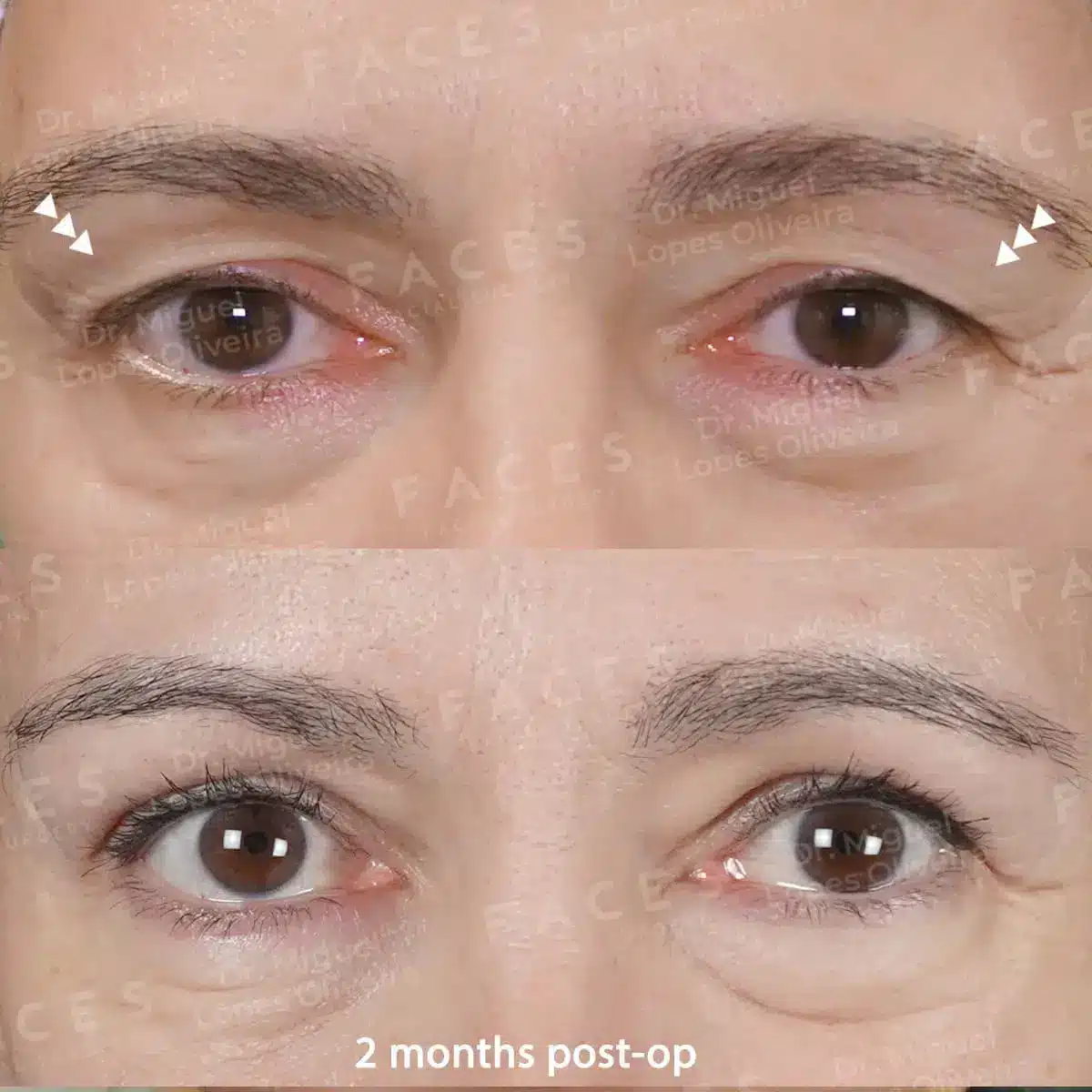
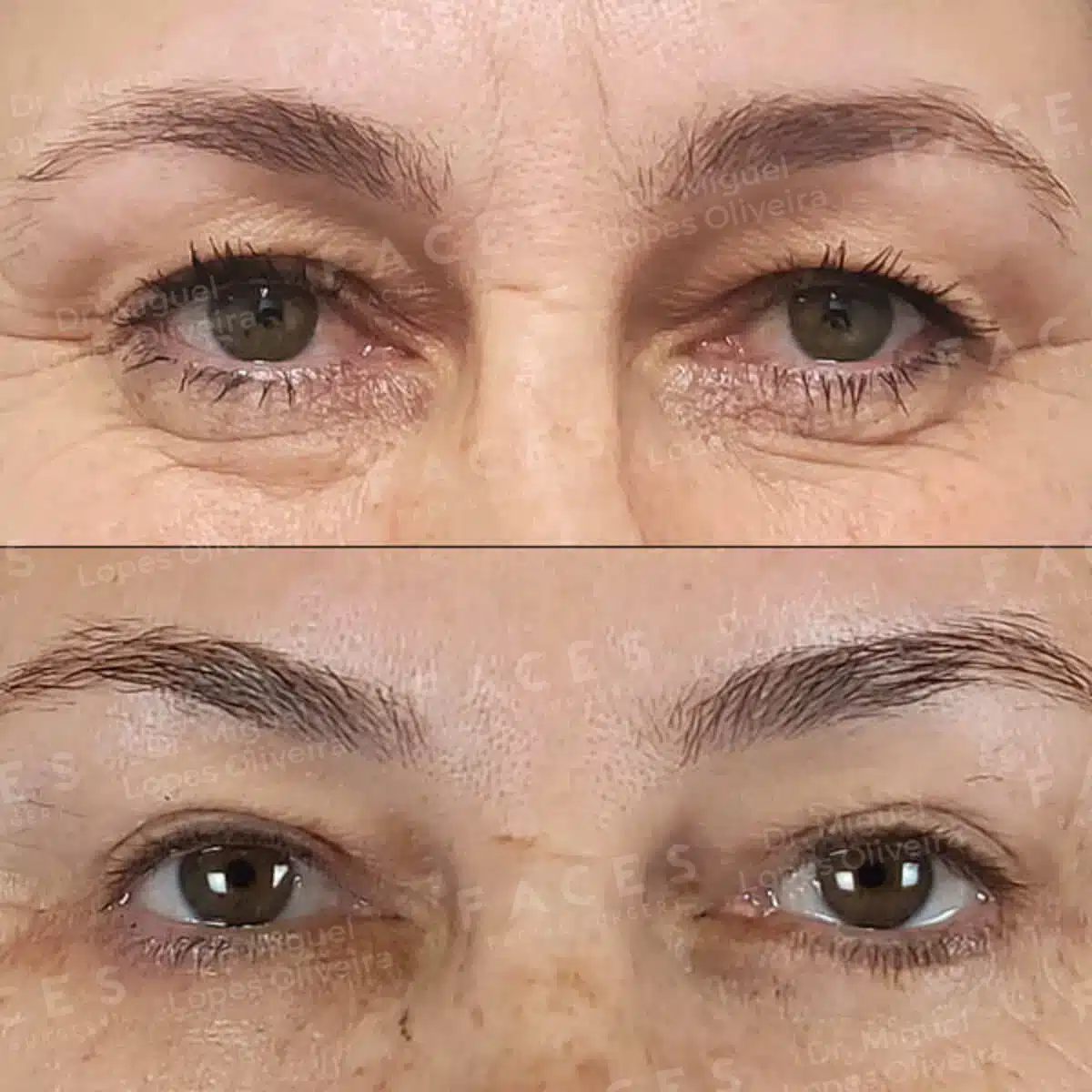
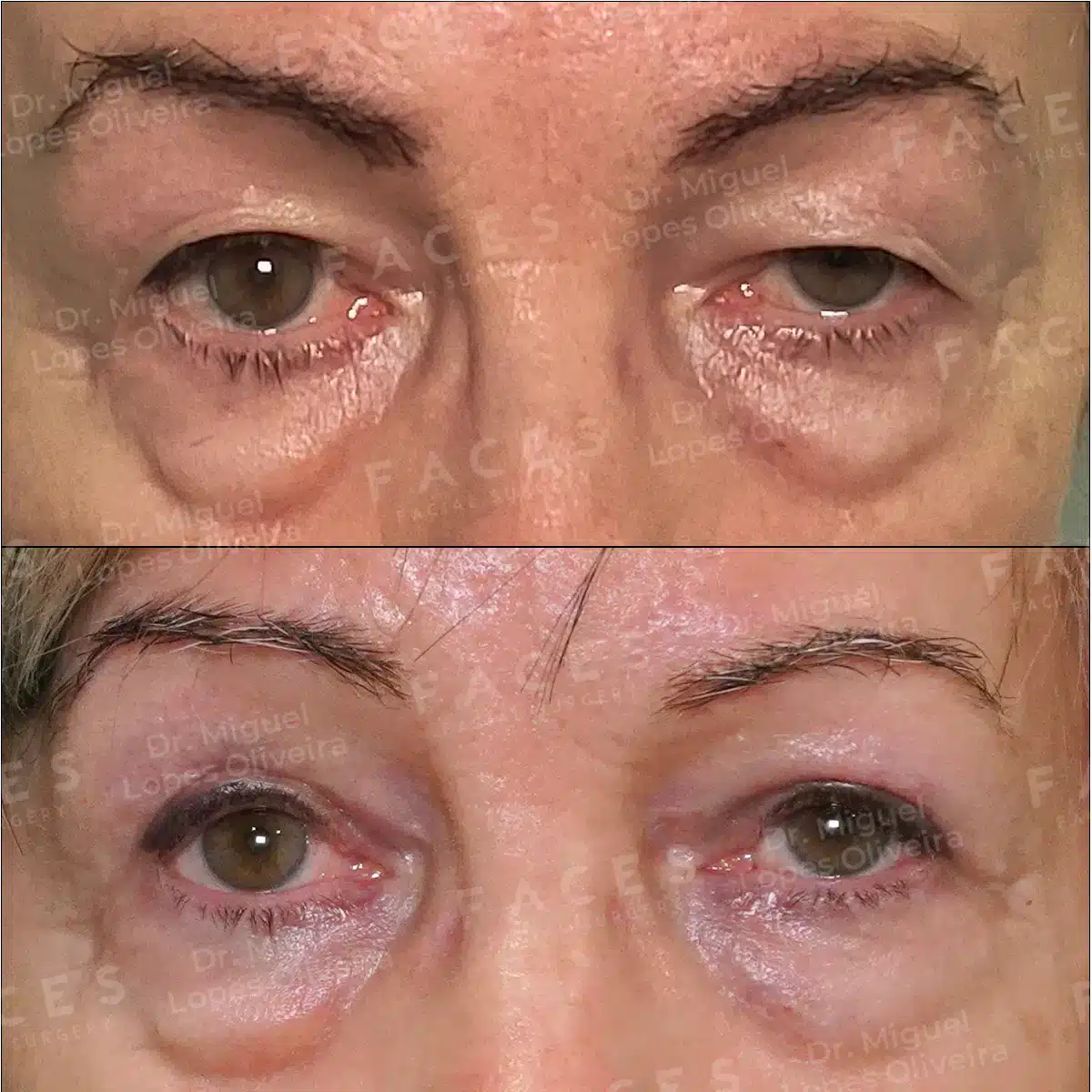
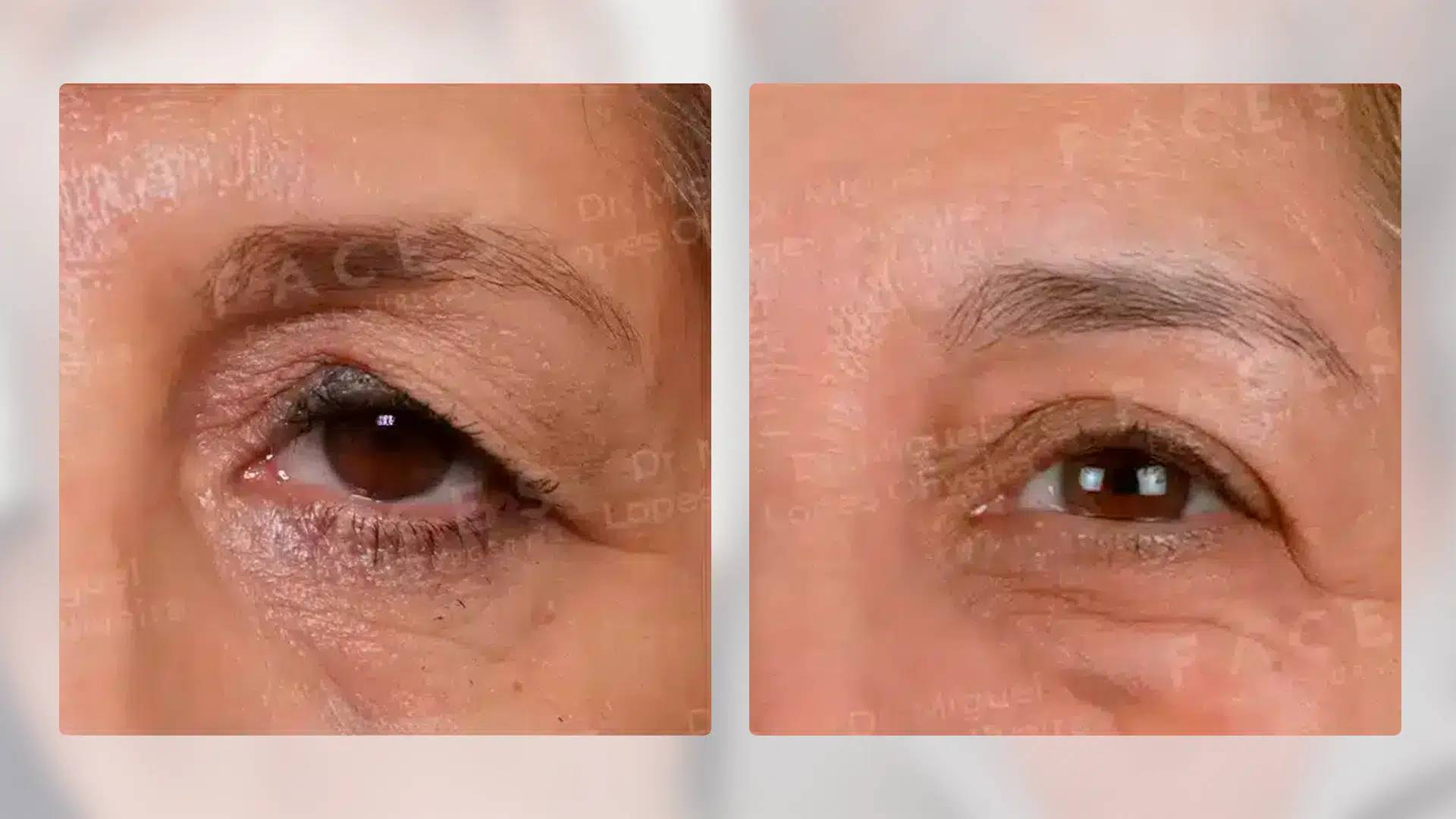
Blepharoplasty and Functional Vision Enhancement: A Comprehensive Overview
The evolving field of blepharoplasty and functional vision enhancement has, in recent years, transcended its initial focus on cosmetic improvement to embrace significant functional benefits. This procedure addresses not only the redundant upper eyelid skin that may impair the visual field but also plays a crucial role in enhancing contrast sensitivity and overall visual performance. By eliminating or repositioning excess tissue, patients can experience a broadened field of view and a reduction in visual strain, potentially leading to improved performance in daily tasks such as reading and driving. At FACES, the integration of evidence‐based surgical techniques with a focus on functional outcomes has become the cornerstone of their approach, ensuring that the clinical improvements extend well beyond aesthetics.
In clinical practice, the principles underpinning blepharoplasty and functional vision enhancement are applied with the dual aim of restoring natural eyelid contours and addressing the functional limitations caused by dermatochalasis and mild ptosis. The procedure is meticulously planned based on an individual’s anatomical and functional needs, which maximises both visual field expansion and overall patient satisfaction. Ongoing research continues to support the notion that a careful balance between aesthetic and functional outcomes provides a significant boost to quality of life. This comprehensive overview outlines the current state of the art, clinical evidence, surgical techniques, and postoperative care protocols that contribute to the success of blepharoplasty and functional vision enhancement.
Understanding Upper Eyelid Blepharoplasty
Upper eyelid blepharoplasty is a well-established surgical technique that has been employed for decades. Originally developed to address cosmetic concerns related to the ageing process, this procedure has evolved through robust clinical research to include a functional dimension. The basic tenet of the procedure involves the judicious removal of excess skin and, when indicated, careful repositioning of orbital fat. The primary goal is to restore a natural eyelid contour that is not only aesthetically pleasing but also conducive to a wider, unobstructed field of vision. In many patients, excess tissue can cause a mechanical obstruction leading to a reduced upper visual field – a challenge that is effectively addressed by surgical intervention.
Prior to surgery, a detailed preoperative assessment is essential. This evaluation includes an analysis of eyelid anatomy, the distribution of adipose tissue, and the degree to which these factors contribute to visual impairment. Surgeons at FACES carry out meticulous assessments to decide on the extent of resection and determine whether adjunct procedures are warranted. Such tailored planning ensures that outcomes are optimised in both function and appearance, reinforcing the importance of blepharoplasty and functional vision enhancement. This thoughtful approach minimises the risk of overcorrection and ensures that the delicate balance between tissue removal and restoration of function is maintained throughout the surgical process.
The understanding of upper eyelid blepharoplasty has deepened significantly with advances in imaging and clinical evaluation, facilitating a clearer insight into how redundant tissue interferes with vision. As clinical experience accumulates, it has become evident that restoring the upper eyelid’s natural position can lead to marked improvements—not just in visual parameters but also in patient confidence and lifestyle.
Blepharoplasty and Functional Vision Enhancement: The Concept
The concept of blepharoplasty and functional vision enhancement lies in its dual ability to correct both cosmetic and functional deficits. While traditional blepharoplasty mainly focused on the removal of excess skin for aesthetic rejuvenation, modern techniques prioritise the restoration of a broad and unobstructed visual field. This is achieved through careful excision of redundant tissue that hinders sight, thereby allowing light and images to be transmitted more freely to the retina.
Enhanced visual function following surgery typically manifests as an increase in the upper visual field, improved contrast sensitivity, and a notable reduction in eye fatigue. These functional improvements are particularly relevant for patients whose daily activities—such as reading, computer work, or driving—are compromised by the mechanical limitations imposed by excess eyelid skin. This conceptual framework, which is at the heart of blepharoplasty and functional vision enhancement, has been reinforced by numerous clinical studies and systematic reviews, underscoring its importance in modern ophthalmic and aesthetic surgery.
The integration of functional outcomes with aesthetic techniques reflects a broader shift in surgical practice, where patient quality of life is measured not only by appearance but also by the efficiency and comfort of vision. The deliberate focus on this dual objective distinguishes this procedure from more traditional cosmetic interventions, highlighting its relevance in contemporary clinical practice.
Indications for Blepharoplasty in Functional Vision Enhancement
Although the primary goal of blepharoplasty has traditionally been cosmetic improvement, its indications for functional vision enhancement are well established. Key clinical indications include:
- Dermatochalasis: Marked by excessive upper eyelid skin that intrudes into and limits the superior visual field. Patients suffering from this condition often report increased eye strain and difficulty in performing tasks that require a wide field of view.
- Mild Ptosis and Lash Misalignment: A slight drooping of the eyelids can lead to both functional visual impairment and aesthetic imbalance, causing an obstructed visual field in some individuals.
- Visual Field Impairment: Cases characterised by significant reduction in the upper field of vision due to redundant tissue, resulting in discomfort and reduced visual acuity during tasks such as reading or driving.
In these clinical scenarios, blepharoplasty and functional vision enhancement can offer considerable benefits. Removal or repositioning of the excess tissue not only enhances the facial appearance but also facilitates a clearer, more expansive visual field. This in turn reduces ocular fatigue and can significantly elevate the overall quality of life. The tailored approach to each case ensures that patient-specific factors, such as age, skin elasticity, and the degree of tissue overhang, are considered in the surgical planning process.
It is not uncommon for patients to report immediate improvements in their daily activities following the procedure. Even minor corrections can substantially enhance visual function, making everyday tasks less strenuous and more efficient. As such, clearly defined indications and carefully crafted treatment plans are essential in maximising the dual benefits of blepharoplasty and functional vision enhancement.
Scientific Evidence Supporting Functional Outcomes
A growing body of literature reinforces the value of upper eyelid blepharoplasty in improving functional vision. Recent systematic reviews and meta-analyses have consistently demonstrated that the removal of excess tissue leads to significant enhancements in the visual field and contrast sensitivity. For instance, one study detailed the improvement in the superior visual field postoperatively, highlighting how the intervention facilitates a clearer and more expansive view.1
Additional clinical research has supported these findings. Studies focusing on patients with lash ptosis, dermatochalasis, and related visual obstructions have revealed that surgical intervention not only ameliorates mechanical limitations but also contributes to measurable improvements in overall visual quality.3 Moreover, research exploring modifications in corneal biomechanical properties after surgery suggests a possible physiological basis for the enhanced visual outcomes observed after treatment.2
Such evidence underpins many of the clinical protocols in use today and emphasises the importance of histological and biomechanical evaluations during the preoperative phase. The repeated validation of improved vision parameters in multiple studies firmly establishes the practice of blepharoplasty and functional vision enhancement as a viable and evidence‐based treatment option for many patients.
The integration of these findings into clinical decision-making has allowed surgeons to refine patient selection criteria and individualise surgical techniques. In doing so, they ensure that each patient receives a treatment plan tailored not only to their cosmetic needs but also to their functional requirements. These advances demonstrate the critical importance of evidence-based practice in achieving outstanding surgical outcomes.
The Surgical Approach and Techniques
The surgical approach to blepharoplasty and functional vision enhancement involves a series of carefully coordinated steps designed to optimise both cosmetic and functional outcomes. Preoperatively, surgeons perform a detailed analysis of the upper eyelid, considering factors such as skin redundancy, fat distribution, and the degree of visual obstruction. This tailored evaluation guides the surgical plan, ensuring that tissue removal is neither excessive nor insufficient.
During the procedure, incisions are made along the natural eyelid crease, which allows for an unobtrusive and aesthetic result while providing ample access for the correction of the problematic tissue. Emphasis is placed on the preservation of key anatomical structures to maintain eyelid function while improving the visual field. The surgical technique itself is rooted in established methods that have evolved over several decades, with continuous refinements based on the latest clinical evidence.
One of the strengths of the approach at FACES is its commitment to classical, evidence-based surgical techniques. By avoiding unproven technologies and adhering to well-documented methods, surgeons ensure that outcomes remain consistent and predictable. The careful balance achieved during surgery underscores the importance of blepharoplasty and functional vision enhancement as not merely cosmetic procedures but as functional rehabilitations.
Moreover, the integration of intraoperative observations with preoperative planning allows for dynamic adjustments to be made during the surgery, ensuring that tissue resection is in line with both aesthetic goals and functional needs. This meticulous strategy is critical to achieving broad visual fields without compromising the natural appearance of the eyelid.
Postoperative Recovery and Follow-Up
The postoperative phase is as crucial as the surgical intervention itself in securing lasting functional improvements. Immediately following surgery, patients can expect a period characterised by mild swelling, bruising, and temporary discomfort, all of which are part of the natural healing process. During this time, the restoration of the visual field is gradual as the tissues settle.
At FACES, a structured follow-up system is implemented through telephone-based contact to monitor recovery and address any concerns promptly. This telephone-based contact ensures that patients receive expert advice and support without the need for frequent in-person consultations. Such an approach not only enhances patient convenience but also minimises the risk of postoperative complications by enabling timely interventions if necessary.
Postoperative care instructions include guidelines on rest, eye hygiene, and the gradual reintroduction of daily activities. Patients are advised to avoid strenuous tasks until a sufficient level of recovery is confirmed. Moreover, the follow-up protocol includes scheduled telephone consultations to assess subjective improvements in visual function, such as the expansion of the upper visual field and enhanced contrast sensitivity.
Regular follow-up is essential in recognising the full benefits of blepharoplasty and functional vision enhancement. In many cases, patients report a substantial improvement in visual performance several weeks after surgery as the oedema subsides and the eyelid tissues adapt to their new configuration. This careful monitoring process is integral to ensuring that the surgical benefits are sustained in the long term.
The Role of Blepharoplasty in Enhancing Quality of Life
While the technical merits of the surgery are important, the broader impact on patient quality of life remains a critical consideration. Many individuals undergoing blepharoplasty and functional vision enhancement report marked improvements not only in their visual capabilities but also in their self-esteem and general well-being. The removal of excess upper eyelid tissue often results in a more youthful appearance while simultaneously reducing the physical discomfort associated with impaired vision.
Psychosocial benefits are an important aspect of patient outcomes. Improved vision facilitates a more active lifestyle, greater independence, and an enhanced ability to engage in social activities. These benefits contribute to a positive feedback loop where the alleviation of visual limitations leads to improved confidence, which in turn encourages more proactive management of overall health.
A comprehensive evaluation of quality of life following upper eyelid surgery has demonstrated that patients experience significant improvements in their daily functioning. Enhanced contrast sensitivity and a wider visual field reduce the likelihood of eye strain and fatigue. This dual benefit is a clear indicator of why the integration of functional objectives with aesthetic surgery is so valuable in modern clinical practice.
Considerations and Limitations in Functional Vision Enhancement
Despite the considerable advances and positive outcomes associated with blepharoplasty and functional vision enhancement, it is important to recognise that results may vary from one patient to another. Factors such as age, skin quality, the extent of tissue excess, and individual healing responses play a crucial role in determining the overall success of the procedure.
Not every patient with upper eyelid redundancy will experience the same degree of improvement in visual function. For instance, those with significant underlying ocular conditions or comorbidities may require additional treatments to achieve optimal outcomes. This underlines the necessity of a thorough preoperative evaluation to establish realistic expectations and to identify patients who are most likely to benefit from the surgery.
Furthermore, while many individuals enjoy long-term improvements in their visual field, some may face an adaptation period during which the full benefits are not immediately apparent. This interval is essential for the visual system to adjust to the changes imposed by the surgery. Such considerations stress the importance of clear communication between the surgeon and the patient regarding the anticipated timeline and magnitude of improvement.
Understanding the inherent limitations of the procedure empowers both patients and clinicians to make informed decisions. It also reinforces the concept of personalised care, ensuring that treatment is customised according to the unique anatomical and functional profile of each patient. The balance between achievable outcomes and patient expectations remains a cornerstone of successful surgical planning.
Benefits and Risks: Balancing Functional Outcomes and Safety
The decision to pursue blepharoplasty and functional vision enhancement involves a careful weighing of potential benefits against conceivable risks. On the positive side, patients can generally expect a wider visual field, improved clarity, reduced eye strain, and an overall enhancement in daily function. These improvements not only promote better quality of life but also help reduce the physical discomfort associated with visual limitations.
Nonetheless, as with any surgical intervention, there are risks inherent in the procedure. Potential complications, although rare, may include temporary swelling, minor asymmetries, or, in some cases, a delay in the full restoration of function. The extensive body of literature suggests that when the procedure is performed by experienced surgeons using validated techniques, the likelihood of serious complications is minimised, and the benefits tend to significantly outweigh the risks.6
A comprehensive preoperative discussion is essential to ensure that patients are fully informed of both the positive outcomes and the potential complications. This transparency helps in aligning patient expectations with realistic outcomes. Moreover, a clear understanding of the risk–benefit profile is a key component of patient consent and overall satisfaction with the procedure.
Ultimately, the careful balance of risks and benefits supports the growing consensus that blepharoplasty and functional vision enhancement is a safe and effective option for appropriately selected individuals. The decision-making process is enriched by evidence-based guidelines that help both the clinician and the patient to navigate the complexities associated with the surgery.
Customising the Approach: Personalised Treatment Planning
One of the most compelling aspects of modern blepharoplasty is the ability to tailor treatment plans to meet the specific needs of each patient. Individualised treatment planning is essential to ensure that both functional and aesthetic goals are met. The process involves a comprehensive evaluation of the patient’s ocular anatomy, skin quality, and the degree of visual impairment.
At FACES, the surgical team takes a bespoke approach by carefully considering the location and extent of redundant tissue, the distribution of periorbital fat, and the patient’s overall expectations. This customised planning enables the surgeon to decide on the optimal amount of tissue to be removed or repositioned. The emphasis on personalised care is a distinguishing feature of blepharoplasty and functional vision enhancement, ensuring that each patient receives a plan that is uniquely suited to their anatomical and functional requirements.
This customised approach extends beyond the operating room, as postoperative instructions and follow-up care are also tailored to the individual. By addressing each patient’s specific concerns and circumstances, clinicians can help to ensure a smoother recovery and sustained functional improvement over the long term.
In essence, personalisation is at the heart of effective surgical planning. The commitment to designing a treatment plan that honours the uniqueness of each patient is what sets successful procedures apart from standardised approaches. This philosophy ensures that the numerous benefits associated with blepharoplasty and functional vision enhancement are maximised and that patient satisfaction remains high.
Integrating Evidence-Based Practice in Blepharoplasty
The integration of the latest scientific evidence into clinical practice is paramount in achieving optimal outcomes in blepharoplasty and functional vision enhancement. Systematic reviews, meta-analyses, and long-term follow-up studies provide invaluable insights into the efficacy and safety of various surgical techniques. Surgeons rely on this evidence to refine their approaches, thereby enhancing both the reliability and predictability of surgical outcomes.
Incorporating data from multiple studies helps clinicians to identify the key factors that contribute to successful visual restoration. For example, research has repeatedly demonstrated that careful resection of excess tissue directly correlates with an increased upper visual field and improved contrast sensitivity.1 Such data serves as a guide for surgeons in determining the most appropriate strategies for each individual case.
This commitment to evidence-based practice is apparent not only in the technical execution of the surgery but also in the comprehensive preoperative evaluations and postoperative care protocols that are in place. By aligning surgical techniques with robust clinical findings, practitioners at FACES are able to offer a treatment that is both safe and effective. The ongoing dialogue between research and clinical application ensures that the principles of blepharoplasty and functional vision enhancement continue to evolve in a manner that prioritises patient outcomes and safety.
Furthermore, the adoption of standardised evaluation tools and outcome measures facilitates the continuous improvement of surgical techniques. This iterative process, driven by both clinical experience and scientific inquiry, remains a critical factor in advancing the field and ensuring that patients benefit from the most up-to-date and effective treatment strategies.
Long-Term Outcomes and Future Perspectives
Long-term follow-up studies have consistently revealed that the benefits of upper eyelid blepharoplasty extend well beyond the immediate postoperative period. Patients often experience sustained improvements in visual function, including wider visual fields and enhanced contrast sensitivity, which contribute to higher overall quality of life.8 Extended monitoring has also highlighted the durability of the surgical outcomes, with many individuals enjoying stable results for years after the procedure.
These long-term outcomes are particularly encouraging, as they suggest that the benefits of blepharoplasty and functional vision enhancement are not transient. Continued research is focused on identifying factors that might further optimise these results, such as refinements in surgical technique, enhanced preoperative assessments, and improved postoperative rehabilitation strategies.
Future perspectives in this field are likely to be shaped by ongoing clinical studies that aim to fine-tune patient selection criteria and surgical planning methods. There is great potential for further advancements as researchers explore new ways to integrate technological innovations—within the confines of established and approved methods—into standard practice. This evolution, driven by a commitment to patient-centric care, reinforces the role of blepharoplasty and functional vision enhancement as a cornerstone treatment in addressing both aesthetic and functional visual impairments.
Innovative research continues to underscore the importance of a long-term perspective when assessing the success of this procedure. The sustained improvements in both objective visual parameters and patient-reported outcomes serve as a testament to the efficacy of the current approaches. As future studies shed more light on the interplay between surgical technique and lasting functional gains, it is anticipated that the field will further refine its methodologies to deliver even more consistent and satisfactory results.
Patient Education and Postoperative Rehabilitation
An essential component of achieving optimal outcomes in blepharoplasty and functional vision enhancement is comprehensive patient education and dedicated postoperative rehabilitation. Preoperative counselling is fundamental in ensuring that patients understand the procedural steps, anticipated outcomes, and the natural course of recovery. Detailed discussions regarding the potential benefits and limitations help in setting realistic expectations and fostering trust between the patient and the surgical team.
During the postoperative period, patients are provided with clear, written instructions regarding eye care, medication use, and lifestyle modifications necessary to support the healing process. Emphasis is placed on recognising normal postoperative symptoms—such as temporary swelling, mild discomfort, and bruising—and understanding the timeline within which these symptoms are expected to resolve. This guidance helps patients to differentiate between standard recovery patterns and signs that warrant contact with the clinic.
Moreover, ongoing education via telephone-based follow-up consultations ensures that patients remain well-informed throughout the recovery process. These regular check-ins serve to address any concerns promptly, facilitating adjustments in care as needed. This proactive approach is especially important given that the full benefits of the procedure may become more apparent only after a period of physiological adaptation. In this way, patients are reassured and empowered to engage actively in their own rehabilitation, thereby maximising the long-term benefits of blepharoplasty and functional vision enhancement.
Empowering patients through detailed education and dedicated postoperative support significantly contributes to their overall satisfaction with the surgical process. By ensuring that they are well-prepared and well-informed, the surgical team helps to enhance both the functional and psychological outcomes of the treatment.
Conclusion
In summary, blepharoplasty and functional vision enhancement represent a significant advancement in the management of upper eyelid conditions that compromise visual performance. The procedure’s dual focus on aesthetic rejuvenation and functional improvement enables a broader visual field, enhanced contrast sensitivity, and a marked reduction in eye strain, which together contribute to an overall improved quality of life. The integration of meticulous preoperative evaluation, evidence-based surgical techniques, and a robust telephone-based follow-up system are the hallmarks of this approach.
Scientific research consistently supports the benefits of this procedure, with numerous studies demonstrating sustained improvements in both objective visual measures and patient-reported outcomes. The individualised nature of the treatment planning process ensures that each case is managed according to its unique anatomical and functional characteristics. As the field continues to evolve, long-term follow-up studies and future research will undoubtedly contribute further to the optimisation of surgical techniques and postoperative care.
Ultimately, the practice of blepharoplasty and functional vision enhancement is not a one-size-fits-all solution, but rather a carefully tailored intervention that addresses the specific needs of each patient. By combining established surgical methods with a commitment to personalised care, this approach offers a reliable means of restoring both function and confidence in those affected by visually impairing conditions.
Each case is unique and should be individually evaluated in a medical consultation, respecting clinical indications and realistic expectations.
References
- Anonymous. (n.d.). Functional outcomes of upper eyelid blepharoplasty: A systematic review. PubMed. Available at https://pubmed.ncbi.nlm.nih.gov/30528286/
- Anonymous. (n.d.). The effect of upper eyelid blepharoplasty on corneal biomechanical parameters measured by Corvis ST. PMC. Available at https://pmc.ncbi.nlm.nih.gov/articles/PMC11856125/
- Anonymous. (n.d.). Effects of upper lid blepharoplasty on visual quality in patients with lash ptosis and dermatochalasis. PMC. Available at https://pmc.ncbi.nlm.nih.gov/articles/PMC5028669/
- Anonymous. (n.d.). Impact of blepharoptosis surgery on vision-related quality of life and its correlation with contrast sensitivity changes. PubMed. Available at https://pubmed.ncbi.nlm.nih.gov/40343557/
- Anonymous. (n.d.). Functional and aesthetic outcomes after upper blepharoplasty: A systematic review and meta-analysis of randomised control trials. PubMed. Available at https://pubmed.ncbi.nlm.nih.gov/40152471/
- Anonymous. (n.d.). Upper eyelid blepharoplasty: Surgical techniques and results—Systematic review and meta-analysis. PMC. Available at https://pmc.ncbi.nlm.nih.gov/articles/PMC10581926/
- Anonymous. (n.d.). Corneal biophysical changes after upper eyelid blepharoplasty and ptosis surgery: A review. BMC Ophthalmology. Available at https://bmcophthalmol.biomedcentral.com/articles/10.1186/s12886-023-03010-3/
- Anonymous. (n.d.). Comprehensive evaluation of quality of life following upper eyelid blepharoplasty: A prospective analysis. PubMed. Available at https://pubmed.ncbi.nlm.nih.gov/38541226/