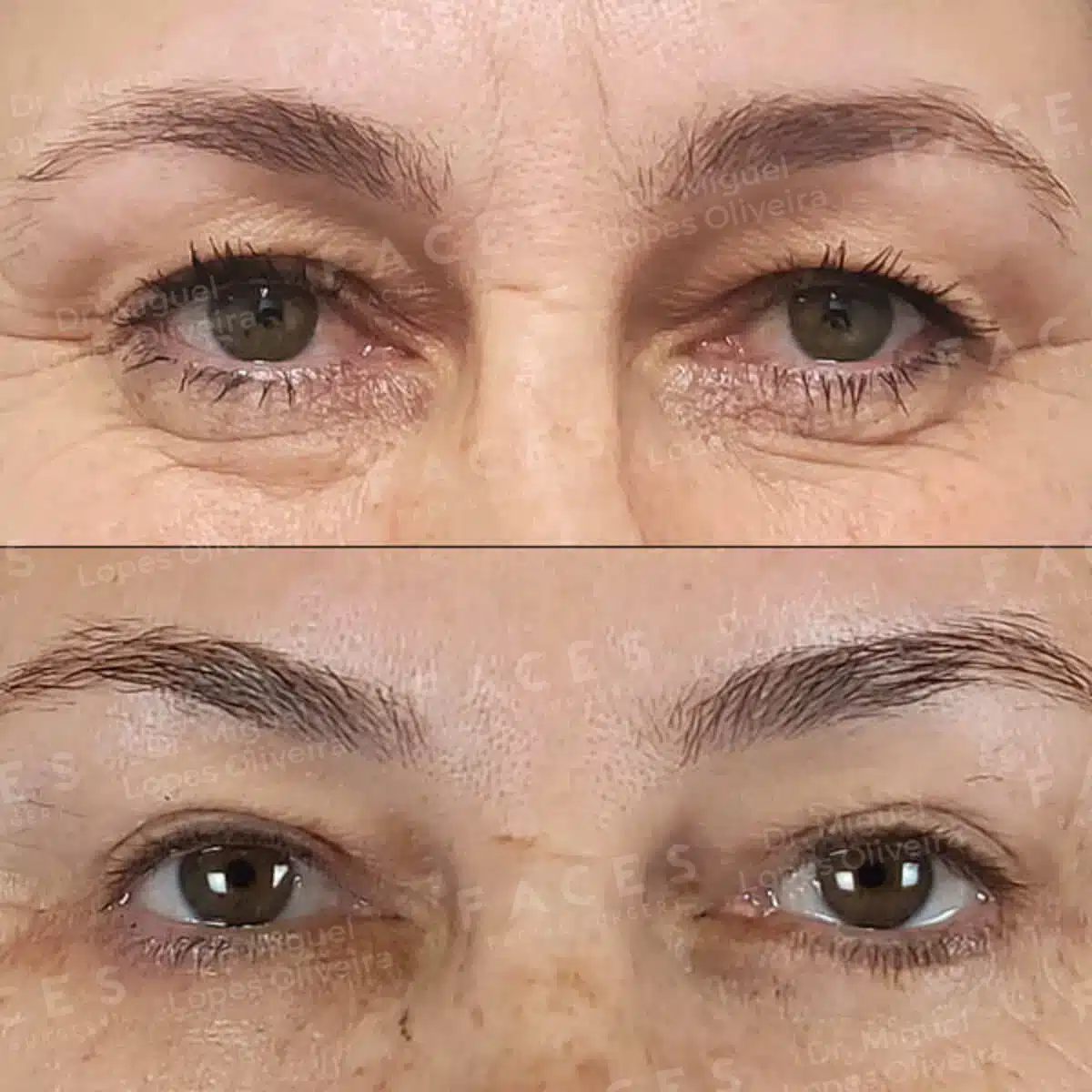
Blepharoplasty and Functional Vision Enhancement: Enhancing Visual Quality through Upper Eyelid Surgery
Blepharoplasty and functional vision enhancement is a specialised surgical procedure that not only addresses aesthetic concerns but also offers significant improvements in visual function. Over recent decades, an expanding body of clinical evidence has demonstrated that by reducing excess upper eyelid tissues, surgeons can effectively relieve mechanical obstruction of the superior visual field, enhance contrast sensitivity, and minimise visual fatigue. Patients who suffer from age‐related dermatochalasis or congenital eyelid laxity may experience difficulties in daily activities such as reading, driving, or engaging in outdoor pursuits. As such, the dual-purpose approach of blepharoplasty and functional vision enhancement has emerged as a comprehensive treatment that blends cosmetic refinement with functional restoration.
Historically, upper eyelid surgery was primarily pursued for aesthetic rejuvenation. However, persistent symptoms of visual limitation prompted clinicians to re-evaluate the broader implications of eyelid redundancy. The modern approach recognises that the removal of surplus skin and fatty tissue can not only achieve a more youthful appearance but also expand the effective visual field. By strategically repositioning the eyelid margin, the procedure helps restore a natural configuration that enables improved ocular exposure. This integrated treatment strategy, known as blepharoplasty and functional vision enhancement, has thus evolved to offer substantial benefits in both cosmetic and functional domains.
Critical to this procedure is a meticulous preoperative evaluation, where each patient’s unique eyelid anatomy and visual requirements are assessed. Detailed examination of eyelid laxity, tissue redundancy, and tear film distribution are integral steps in formulating a personalised surgical plan. In this manner, blepharoplasty and functional vision enhancement becomes a tailor-made solution that is as concerned with improving the patient’s quality of life as it is with enhancing their appearance.
Understanding Blepharoplasty and Its Role in Functional Vision Improvement
In clinical practice, the perception of the eyelids transcends superficial aesthetic appeal. It is increasingly recognised that the upper eyelids play a crucial role in optimal visual performance. Redundant eyelid tissues—often seen with ageing or certain genetic predispositions—can partially cover the superior visual field, thereby reducing the amount of light reaching the retina and impairing vision. For many patients, this results in difficulties with daily tasks that require a full and unobstructed field of view.
Through the process of blepharoplasty and functional vision enhancement, surgeons remove excess skin and fat that contribute to this obstruction. This careful removal not only creates a more defined and youthful eyelid contour but also significantly improves the functional aspects of vision. Reports in the academic literature have shown that the procedure can lead to measurable improvements in the superior visual field, contrast sensitivity, and overall visual acuity. By focusing on the anatomical redistributions and mechanical realignments around the eye, clinicians can ensure that patients experience tangible benefits in their everyday visual tasks.
Moreover, patient education is paramount in this context. Individuals eligible for blepharoplasty and functional vision enhancement are thoroughly briefed on the procedural steps, potential outcomes, and the realistic timeframe for postoperative recovery. This informed approach helps set appropriate expectations and reinforces the value of a treatment that is both functionally and cosmetically beneficial.
Mechanisms Underlying Functional Vision Improvement
The success of blepharoplasty and functional vision enhancement hinges on a deep understanding of eyelid anatomy and ocular physiology. In patients with significant upper eyelid laxity, drooping tissues may accumulate over time to obscure the superior portion of the eye. This not only limits the effective visual field but can also disrupt the uniform spread of the tear film—a critical component in maintaining corneal clarity and ocular comfort.
During the surgical procedure, precise incisions are made along the natural eyelid crease, allowing for the careful removal of excess skin and adipose tissue. This meticulous resection results in a more anatomically ideal positioning of the eyelid margin. Such a repositioning promotes an even distribution of the tear film, which in turn assists in preserving corneal health and mitigates the risk of dry eye symptoms. In addition, the improved eyelid mechanics may indirectly influence corneal biomechanical stability, further aiding in the enhancement of contrast sensitivity and visual acuity.
Beyond mechanical realignment, emerging evidence suggests that the removal of excess tissue may decrease the chronic low-grade mechanical stress imposed on ocular structures. The reduction of this stress is believed to improve microcirculation around the ocular surface, thereby supporting better visual function. In this way, blepharoplasty and functional vision enhancement not only alleviates physical obstructions but also contributes to an improved physiological environment that is vital for sustained visual performance.
Clinical Evidence Supporting Functional Outcomes
A robust array of systematic reviews and meta-analyses supports the functional benefits of upper eyelid surgery, particularly when it is directed towards enhancing vision. Multiple randomised controlled trials have documented significant improvements in the superior visual field and contrast sensitivity following the procedure. Such data affirm that the outcomes of blepharoplasty and functional vision enhancement extend well beyond simple cosmetic enhancement, offering measurable benefits that impact everyday activities.
For instance, several prospective studies have demonstrated that patients report a significant reduction in visual fatigue and improved ability to perform tasks under dim lighting conditions post-surgery. These subjective improvements are frequently corroborated by objective measures obtained through detailed visual field testing and contrast sensitivity assessments. The alignment between patient-reported outcomes and quantifiable data underscores the therapeutic potential of this dual-purpose procedure.
Additionally, quality-of-life questionnaires administered to patients prior to and following the surgery indicate that the improvement in visual function has a profound impact on daily living. Patients not only experience enhanced physical performance but also report heightened psychological well-being as a result of their regained independence and improved self-confidence. Such comprehensive findings validate blepharoplasty and functional vision enhancement as an established and scientifically endorsed treatment modality.
Quality of Life and Patient-Reported Outcomes
The practical significance of improved visual function extends well into the realm of everyday life. Patients undergoing blepharoplasty and functional vision enhancement frequently report an enhanced ability to participate fully in daily activities—ranging from reading and computer use to driving and sports. These improvements are more than cosmetic; they translate into a greater sense of freedom and a reduction in the strain associated with visual impairment.
Standardised patient-reported outcome measures have documented significant enhancements in the quality of life following upper eyelid surgery. Individuals express satisfaction not only with the more youthful and refreshed appearance of their eyes but also with the functional benefits that allow them to perform routine tasks with less fatigue. Moreover, improved visual function can alleviate the social and psychological burdens often linked with poor eyesight, contributing to overall improved mental well-being.
In clinical interviews, many patients articulate that the enhanced superior field and improved contrast sensitivity have led to a renewed confidence in both social and professional settings. This positive feedback reinforces the dual advantages inherent in combining cosmetic and functional objectives into a single surgical intervention. Consequently, blepharoplasty and functional vision enhancement is increasingly viewed as a holistic procedure that delivers a comprehensive upgrade to both form and function.
Surgical Techniques and Considerations at FACES
At FACES, the approach to blepharoplasty and functional vision enhancement is both systematic and individualised. The preoperative consultation involves an in-depth evaluation of the patient’s eyelid anatomy through careful clinical observation and specialised diagnostic testing. This assessment is crucial in determining the appropriate surgical strategy, ensuring that the procedure is adapted to the specific anatomical and functional needs of each patient.
The surgical technique typically involves an incision along the natural crease of the upper eyelid, which allows for an inconspicuous placement of the scar. Following the incision, surgeons proceed to remove only the necessary amount of excess skin and adipose tissue, preserving essential structures that are critical for maintaining tear film stability and ocular surface integrity. This careful and measured approach is central to achieving the desired outcomes in blepharoplasty and functional vision enhancement.
Furthermore, the operative plan is developed with an emphasis on precision and safety. Surgeons at FACES are trained to balance the dual objectives of achieving beautification and functional improvement. By integrating refined surgical techniques with evidence-based practices, they work to minimise risks while maximising both aesthetic and visual benefits. This dedication to customisation ensures that each patient receives a treatment plan that is optimally suited to their unique facial and ocular characteristics.
In addition to the technique itself, FACES places a strong emphasis on preoperative simulation and detailed patient counselling. Every aspect of the intervention, from the expected extent of tissue removal to the anticipated functional gains, is thoroughly discussed prior to surgery. This transparent communication helps in establishing realistic expectations and in bolstering patient trust in the process of blepharoplasty and functional vision enhancement.
Postoperative Recovery and Functional Improvements
The postoperative phase represents a critical period during which the benefits of the surgery begin to fully manifest. In the initial days after surgery, patients may experience mild swelling, bruising, and discomfort. These symptoms typically subside within the first few weeks as the tissues heal and settle into their final position. During this phase, patients are advised to follow comprehensive postoperative care protocols to optimise recovery and enhance the functional outcomes of the procedure.
At FACES, postoperative care is delivered through an integrated system of follow-up assessments that prioritise patient safety and satisfaction. Regular consultations, predominantly via telephone contact, allow clinicians to closely monitor the healing process and address any concerns that may arise. Such an approach ensures that any minor complications or unexpected changes are managed promptly, thereby safeguarding the overall success of the intervention.
As the recovery progresses, many patients notice gradual improvements in their ability to perform visually demanding tasks. Enhanced clarity in the superior visual field, a reduction in glare, and improved contrast sensitivity are common outcomes that patients report during follow-up evaluations. These functional gains, which are directly attributed to the underlying principles of blepharoplasty and functional vision enhancement, reinforce the value of the procedure as a dual-benefit therapy.
Patient Selection and Preoperative Assessment
The efficacy of blepharoplasty and functional vision enhancement is greatly influenced by the proper selection of candidates. A comprehensive preoperative assessment is therefore essential to identify those patients who are most likely to benefit from the procedure. This evaluation typically includes a detailed review of the patient’s ocular history, a thorough clinical examination of the eyelid structures, and quantitative assessments of the visual field.
During the assessment, clinicians at FACES examine the extent of upper eyelid laxity and measure the degree of skin redundancy. In addition, the distribution and quality of the tear film are evaluated to ensure that postoperative ocular surface stability can be maintained. Other factors, such as the presence of ptosis or the degree of corneal exposure, are also taken into account. This meticulous evaluation process is critical in determining the surgical plan and ensuring that the treatment plan is optimised for both aesthetic improvement and visual function enhancement.
By incorporating a detailed preoperative assessment, FACES is able to customise the procedure to address both cosmetic and functional needs. This personalised approach not only enhances the likelihood of a successful outcome but also helps manage patient expectations by providing clear information on the anticipated benefits and limitations of the surgery.
Risks, Considerations, and the Importance of Customised Treatment
As with any surgical intervention, blepharoplasty and functional vision enhancement involves inherent risks that must be carefully considered. Although complications are relatively rare when the procedure is performed by experienced surgeons, patients should be made aware of potential adverse effects such as infection, minor asymmetries, or transient dry eye symptoms. It is essential that these risks are balanced against the substantial functional benefits that the surgery can offer.
At FACES, comprehensive preoperative consultations are conducted to ensure that patients have a clear understanding of both the positive outcomes and the potential limitations of the procedure. This open and honest communication is a cornerstone of the customised treatment approach. By setting realistic expectations, clinicians can help to ensure that patients are fully prepared for the recovery process and the range of outcomes that might be experienced.
Moreover, the emphasis on individualised treatment planning means that each surgical procedure is finely tuned to the patient’s unique anatomical characteristics and functional needs. This customised approach is vital in minimising potential complications while maximising the benefits. In this regard, blepharoplasty and functional vision enhancement is not a one-size-fits-all intervention but rather a carefully orchestrated treatment modality that is tailored on a case-by-case basis.
Long-term Outcomes and Future Directions
Long-term follow-up studies have consistently shown that the functional benefits achieved through upper eyelid surgery are enduring. Patients who undergo blepharoplasty and functional vision enhancement often report sustained improvements in their superior visual field, contrast sensitivity, and overall visual comfort even years after the procedure. These long-term outcomes not only validate the clinical benefits of the surgery but also underscore its role in ensuring prolonged enhancements in the quality of life.
Ongoing research is focused on further refining surgical techniques and exploring new methods to improve both the safety and efficacy of upper eyelid procedures. Future directions in the field include the optimisation of tissue handling, the development of refined strategies for addressing complex cases, and the integration of advanced imaging techniques for preoperative planning. As these innovations continue to emerge, they promise to further enhance the predictability and success of blepharoplasty and functional vision enhancement.
In addition to technical improvements, there is a growing interest in understanding the long-term impact of upper eyelid surgery on ocular surface health. Studies are currently examining how the improved eyelid mechanics contribute to tear film stability and corneal health over time. Such research is critical in establishing comprehensive guidelines for patient management and in ensuring that the benefits of the procedure remain consistent throughout the postoperative period.
Integrated Care and the Role of Follow-up
The philosophy of care at FACES extends well beyond the operating room. An integrated care model is central to the success of blepharoplasty and functional vision enhancement, ensuring that patients receive comprehensive support throughout their treatment journey. Postoperative follow-up is conducted predominantly through telephone consultations, enabling continuous monitoring of healing progress and early detection of any concerns.
This approach to follow-up care is designed to provide reassurance and maintain close communication between the patient and the surgical team. Regular check-ins allow clinicians to evaluate the stability of the surgical results, assess improvements in visual function, and address any minor issues that may develop during the recovery phase. Such vigilant monitoring is essential for optimising outcomes and ensuring a smooth transition from the immediate postoperative period to long-term stability.
Furthermore, the integrated care model at FACES encourages patients to actively participate in their recovery process. Detailed postoperative instructions, combined with timely telephone consultations, provide the necessary support for patients to manage their recovery effectively. This comprehensive follow-up programme not only enhances functional outcomes but also reinforces the overall satisfaction and well-being of those undergoing the procedure.
Conclusion
In conclusion, blepharoplasty and functional vision enhancement stands as a comprehensive surgical intervention that successfully bridges the gap between cosmetic improvement and functional restoration. The dual focus of this procedure, which targets both the alleviation of mechanical visual obstructions and the enhancement of eyelid aesthetics, is supported by a wealth of clinical evidence from systematic reviews and meta-analyses. Patients benefit from significant improvements in superior visual field clarity, contrast sensitivity, and overall quality of life, making blepharoplasty and functional vision enhancement a valuable option for those suffering from upper eyelid redundancy.
The meticulous approach adopted by FACES—ranging from a detailed preoperative evaluation and customised surgical planning to a robust postoperative follow-up programme—ensures that each patient receives individualised care that is both safe and effective. As ongoing research continues to refine surgical techniques and elucidate the underlying mechanisms of visual improvement, the prospects for even greater functional and aesthetic outcomes remain promising. Through a commitment to evidence-based practice and personalised treatment, blepharoplasty and functional vision enhancement offers a pathway toward enhanced visual performance and improved everyday living.
Each case is unique and must be evaluated individually in a medical consultation, respecting clinical indications and realistic expectations.
References
- Functional outcomes of upper eyelid blepharoplasty: A systematic review. Retrieved from https://pubmed.ncbi.nlm.nih.gov/30528286/
- Impact of blepharoptosis surgery on vision-related quality of life and its correlation with contrast sensitivity changes. Retrieved from https://pubmed.ncbi.nlm.nih.gov/40343557/
- Functional and Aesthetic Outcomes After Upper Blepharoplasty: A Systematic Review and Meta-analysis of Randomized Control Trials. Retrieved from https://pubmed.ncbi.nlm.nih.gov/40152471/
- Corneal biophysical changes after upper eyelid blepharoplasty and ptosis surgery: A review. Retrieved from https://bmcophthalmol.biomedcentral.com/articles/10.1186/s12886-023-03010-3
- Comprehensive Evaluation of Quality of Life following Upper Eyelid Blepharoplasty: A Prospective Analysis. Retrieved from https://pubmed.ncbi.nlm.nih.gov/38541226/
- Effects of upper lid blepharoplasty on visual quality in patients with lash ptosis and dermatochalasis. Retrieved from https://pubmed.ncbi.nlm.nih.gov/27672599/
- Upper Eyelid Blepharoplasty: Surgical Techniques and Results-Systematic Review and Meta-analysis. Retrieved from https://pubmed.ncbi.nlm.nih.gov/37430010/