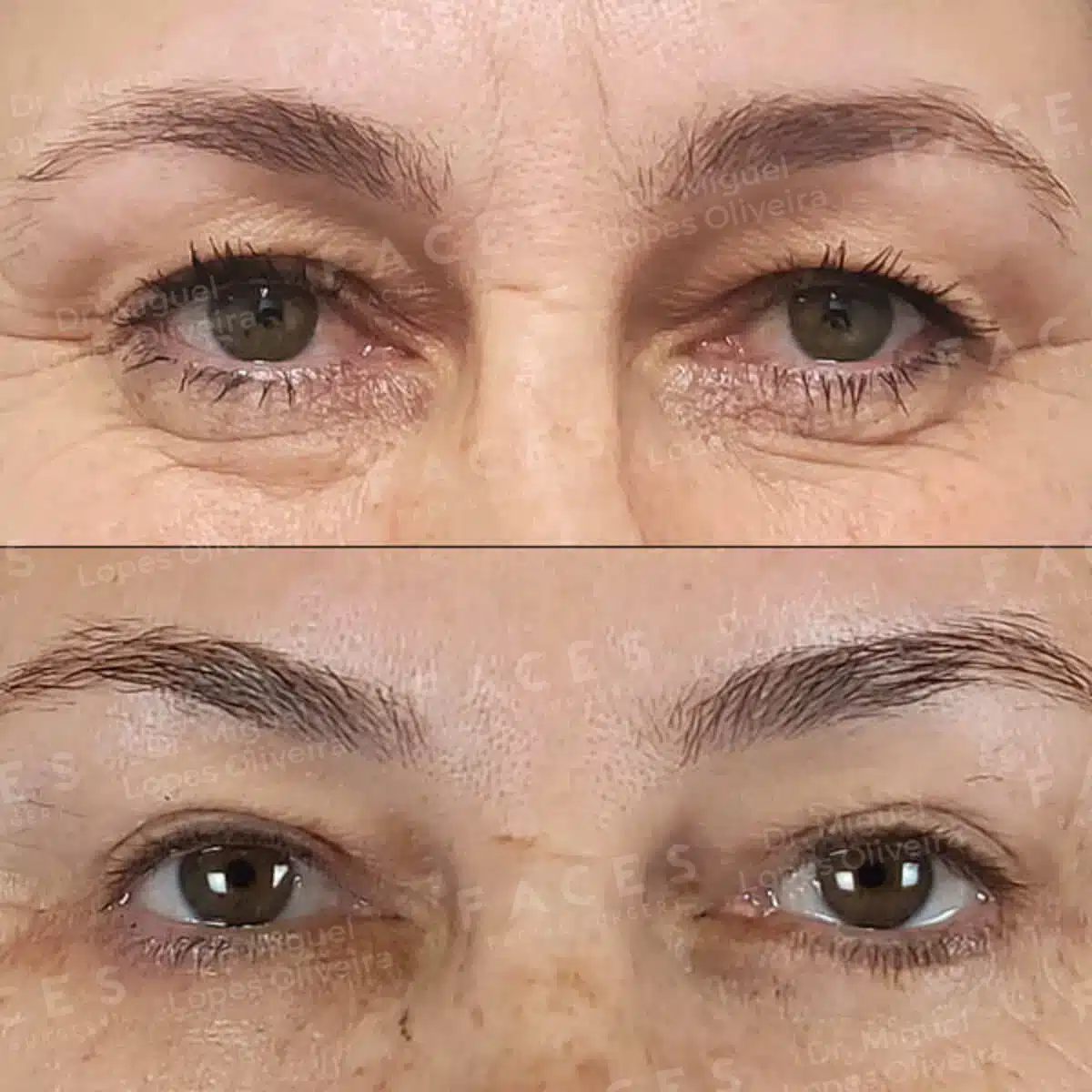
Blepharoplasty for rejuvenated and youthful eyes has established itself as a refined surgical solution that merges the art of aesthetic enhancement with the science of functional restoration. Over recent decades, advancements in technique and research have enabled surgeons to address not only the visible signs of ageing—such as excess, lax upper eyelid skin and redistributed periorbital fat—but also the functional impairments that may compromise the visual field. This tailored intervention, known as blepharoplasty for rejuvenated and youthful eyes, is the result of meticulous clinical planning, precision surgical technique, and continuous evidence-based practice.
Many individuals who opt for this procedure present with a combination of aesthetic concerns and practical difficulties in everyday activities—for instance, diminished peripheral vision when excess skin obscures the field of view. In such cases, restoring both function and appearance is paramount. The growing body of clinical evidence supporting blepharoplasty for rejuvenated and youthful eyes has not only improved surgical outcomes but has also enhanced patient satisfaction, making this procedure a cornerstone in modern oculoplastic surgery.
In addition to immediate postoperative improvements, the holistic benefits of blepharoplasty for rejuvenated and youthful eyes extend into patients’ overall quality of life. Improved visual function and a refreshed facial appearance combine to boost self-esteem and encourage a more active lifestyle. As research continues to optimise techniques and adapt to individual anatomical needs, this procedure remains a dynamic and evolving option for patients seeking comprehensive facial rejuvenation.
Understanding Age-Related Changes in the Eyelids
The human eyelid is a delicate and dynamic structure that undergoes significant changes over time. Ageing triggers a series of physiological events such as the degradation of collagen and elastin, leading to a loss of firmness and elasticity. These changes manifest visibly as thinning, sagging skin and can interfere with the normal function of the eyelids. Furthermore, the natural redistribution of periorbital fat—combined with the weakening of supportive connective tissues—can result in a cumbersome overhang that not only contributes to an aged appearance but may also obstruct the visual field. This natural progression is at the heart of what blepharoplasty for rejuvenated and youthful eyes seeks to correct.
Scientific literature has documented that environmental factors, such as ultraviolet exposure, can exacerbate these intrinsic ageing processes. The accelerated breakdown of structural proteins in the skin, combined with gravitational forces, eventually leads to a loss of the natural contour of the upper eyelids. Detailed studies have demonstrated that these anatomical changes extend well beyond surface aesthetics, often disrupting the equilibrium between the skin, fat, and connective tissues that together give the eye its youthful expression. Understanding these processes is critical to planning an effective intervention that targets both the aesthetic imperfections and the functional impairments.
Moreover, the interplay between genetic predisposition and lifestyle factors means that each patient experiences a unique pattern of ageing. This individuality underscores the necessity for a personalised approach in blepharoplasty for rejuvenated and youthful eyes. The surgeon must carefully assess variations in tissue quality, the degree of skin laxity, and the position of periorbital fat deposits to design an intervention that harmonises with the patient’s natural features while delivering both cosmetic and functional benefits.
Indications and Patient Selection for Blepharoplasty for Rejuvenated and Youthful Eyes
A thorough patient evaluation is fundamental to the success of blepharoplasty for rejuvenated and youthful eyes. Ideal candidates typically exhibit clear signs of upper eyelid ageing, including skin redundancy, a droopy appearance, and, in some instances, partial obstruction of the visual field. It is not uncommon for patients to notice difficulties with activities such as reading, driving, or prolonged use of digital devices due to the interference caused by sagging eyelid tissue.
The process of determining suitability begins with an exhaustive review of the patient’s medical history and a detailed ocular examination. Factors such as the severity of skin laxity, the distribution and volume of periorbital fat, and the condition of the underlying support structures are carefully evaluated. Such an approach ensures that blepharoplasty for rejuvenated and youthful eyes is not viewed solely as a cosmetic procedure but also as a functional intervention that can significantly enhance everyday quality of life.
In parallel with the clinical evaluation, a comprehensive discussion regarding the expected outcomes forms the backbone of patient selection. Surgeons dedicate considerable time to explaining the benefits, potential complications, and realistic limitations associated with the surgery. This transparent dialogue helps align patient expectations with likely results, ensuring that individuals are well-informed prior to opting for blepharoplasty for rejuvenated and youthful eyes.
Furthermore, candidates are counselled on the natural progression of ageing and the possibility that future interventions may be necessary. Such discussions serve to set a long-term perspective and help patients appreciate that while the procedure can offer substantial improvements, it is part of an ongoing journey in facial rejuvenation.
Surgical Techniques and Evidence-Based Approaches
The surgical execution of blepharoplasty for rejuvenated and youthful eyes is characterised by a meticulous, evidence-based strategy. Surgeons begin with an in-depth analysis of the upper eyelid anatomy, identifying the precise locations where incisions should be made along the natural creases. This careful planning ensures that postoperative scars are discreet and that the overall appearance remains harmonious.
During the operation, the removal or repositioning of excess skin and subtle fat deposits is performed with great precision. The objective is twofold: to eliminate redundant tissue that impairs the visual field and to re-establish a youthful contour that complements the natural anatomy. In some cases, adjustments to the underlying connective tissue and muscle are carried out to enhance both function and appearance, making blepharoplasty for rejuvenated and youthful eyes a highly customisable intervention.
Contemporary approaches are underpinned by rigorous clinical studies and systematic reviews. These investigations have consistently demonstrated that the outcomes of blepharoplasty for rejuvenated and youthful eyes are both aesthetically pleasing and functionally beneficial. Peer-reviewed data support the refinement of incision techniques, tissue handling methods, and postoperative care protocols, ensuring that every intervention is tailored to yield optimal results.
Advancements in diagnostic methods have also influenced the surgical planning process. Detailed assessments, including high-resolution imaging and precise anatomical measurements, allow surgeons to better predict surgical outcomes and plan intraoperative adjustments. As a result, blepharoplasty for rejuvenated and youthful eyes has evolved into a procedure that is as much a science as it is an art, combining clinical expertise with innovative technologies to achieve balanced and effective results.
Functional Benefits and Aesthetic Impact
One of the key strengths of blepharoplasty for rejuvenated and youthful eyes is its ability to improve both vision and appearance. Functionally, the removal of excess upper eyelid skin can dramatically enhance the peripheral visual field. For patients whose drooping eyelids cause shadowing that limits vision, this surgical intervention can restore a clearer, unobstructed field, thereby easing the performance of daily activities. Improved vision often translates into a greater sense of independence and safety, particularly during tasks such as driving or walking in dimly lit environments.
From an aesthetic standpoint, the transformation is equally significant. Refining the contours of the upper eyelid not only eliminates the tired or aged appearance but also rejuvenates the overall facial expression. Patients frequently report feeling more alert and vibrant after the procedure, leading to a boosted sense of self-confidence. This psychological uplift is invaluable, as a refreshed appearance often encourages more active social and professional interactions.
The integration of aesthetic and functional improvements is a hallmark of blepharoplasty for rejuvenated and youthful eyes. By addressing both the external manifestations of ageing and the internal mechanical challenges, the procedure offers a comprehensive solution that enhances overall well-being. The dual impact of improved visual performance and a revitalised facial appearance reinforces the importance of this procedure in the broader spectrum of cosmetic and functional medicine.
In many instances, the benefits of the procedure go beyond immediate physical changes. Patients often experience a renewed drive to take better care of their overall health, spurred by the positive transformational outcomes of blepharoplasty for rejuvenated and youthful eyes. Thus, the procedure not only restores appearance and function but also acts as a catalyst for broader lifestyle improvements.
Quality of Life Considerations
The impact of blepharoplasty for rejuvenated and youthful eyes is far-reaching, positively influencing multiple facets of a patient’s daily life. Beyond the immediate aesthetic and functional gains, many patients experience enhanced self-esteem, reduced eye strain, and a more active engagement in both social and professional environments. The alleviation of functional impairments—such as the obstruction of the visual field—directly contributes to an improved quality of life, enabling individuals to partake more fully in routine activities.
Empirical studies have consistently highlighted the significant quality of life improvements following blepharoplasty for rejuvenated and youthful eyes. Patients report not only a more youthful facial appearance but also a reduction in the emotional and psychological burden often associated with visible signs of ageing. This comprehensive benefit fosters enhanced interpersonal interactions and may even influence career prospects positively, as a more alert and refreshed appearance can contribute to higher levels of perceived competence and vitality.
The procedure also plays a role in reducing chronic discomfort. By eliminating excess tissue that can strain the eyelids and obscure vision, patients often enjoy relief from symptoms such as headaches or eye fatigue. These improvements are particularly pronounced in individuals who have previously struggled with the day-to-day challenges imposed by drooping eyelids.
Longitudinal follow-up studies have underlined that the improvements in both appearance and function persist well beyond the immediate postoperative period. Regular postoperative telephone consultations ensure that any arising complications are managed promptly, further securing the long-term success of blepharoplasty for rejuvenated and youthful eyes. This enduring impact on quality of life underscores the value of the procedure as a long-term investment in both health and well-being.
Postoperative Care and Long-Term Outcomes
The period following blepharoplasty for rejuvenated and youthful eyes is critical to achieving the best possible outcomes. In the immediate postoperative phase, patients are advised to adhere to strict care routines to minimise swelling, bruising, and discomfort. Common recommendations include the application of cold compresses and maintaining head elevation during rest. These measures support rapid recovery and help to stabilise the refined eyelid contours.
Follow-up care is typically managed through telephone consultations, ensuring that patients receive prompt guidance on managing their recovery at home. This method of continuous care offers both convenience and efficiency, allowing healthcare providers to monitor healing and to address any concerns without necessitating frequent in-person visits. Such an approach is especially beneficial for patients who may have mobility or scheduling constraints, reinforcing the practical advantages of blepharoplasty for rejuvenated and youthful eyes.
Over the ensuing weeks and months, the tissues gradually settle into their new positions. Although the most dramatic improvements are often evident soon after surgery, the definitive results of blepharoplasty for rejuvenated and youthful eyes may only fully manifest after several months. Routine postoperative evaluations ensure that any residual issues are managed appropriately, and patients are advised on strategies for long-term care—including the possibility of future adjustments if necessary.
Long-term studies have confirmed that when executed with precision and supported by comprehensive aftercare, the benefits of blepharoplasty for rejuvenated and youthful eyes are both durable and significant. This sustained effectiveness, supported by careful follow-up and patient education, underscores the reliability of the procedure in delivering lasting enhancements in vision and facial aesthetics.
Discussion of Scientific Evidence and Future Perspectives
The development of blepharoplasty for rejuvenated and youthful eyes is firmly rooted in a robust tradition of scientific inquiry. Early anatomical studies provided the foundational understanding of the structural changes that occur in the ageing eyelid, while subsequent clinical trials and meta-analyses have refined the surgical techniques that now underpin the procedure. The continual influx of new research has allowed clinicians to evolve their methods, ensuring that each intervention is as safe and effective as possible.
Recent systematic reviews have underscored the dual benefits of blepharoplasty for rejuvenated and youthful eyes, evidencing significant improvements in both visual function and cosmetic appearance. These findings have been instrumental in standardising patient selection criteria and surgical protocols, which in turn have contributed to highly predictable outcomes. The ongoing collaboration between researchers and clinicians continues to drive improvements in technique, further enhancing the overall success rate of the procedure.
Looking ahead, the future of blepharoplasty for rejuvenated and youthful eyes appears promising. Emerging trends in personalised medicine, with the integration of advanced diagnostic tools and refined surgical planning, suggest that the next generation of interventions will be even more closely tailored to individual anatomical and functional profiles. Developments in minimally invasive techniques and enhanced recovery protocols are also likely to reduce downtime and improve patient comfort.
As the evidence base expands, further longitudinal studies are expected to elucidate additional nuances of patient outcomes and surgical refinement. Through ongoing research and innovation, blepharoplasty for rejuvenated and youthful eyes will continue to evolve, thereby offering patients even greater precision in the restoration of both beauty and function.
Risks, Patient Concerns and Informed Decision Making
Despite the many benefits associated with blepharoplasty for rejuvenated and youthful eyes, it is imperative for patients to understand that no surgical procedure is entirely without risk. Potential complications, though generally infrequent when the surgery is performed by an experienced surgeon, include transient swelling, bruising, minor asymmetries, and occasional dryness around the eyes. Such side effects are typically short-lived and resolve with adequate postoperative care.
An integral part of the clinical process is ensuring informed decision making. Detailed preoperative discussions help to clarify the potential benefits and limitations of blepharoplasty for rejuvenated and youthful eyes. Surgeons take the time to explain the surgical steps, possible outcomes, and the recovery process, empowering patients to make decisions that are fully aligned with their personal health objectives.
Addressing patient concerns with clear, evidence-based information is crucial to establishing realistic expectations. Whether it is discussing the timeline for recovery or potential long-term outcomes, the emphasis remains on an honest and transparent exchange. This approach not only builds trust but also ensures that patients are mentally and physically prepared for the challenges of postoperative recovery.
Moreover, the consent process encompasses a thorough overview of both the aesthetic and functional benefits—as well as the possible risks—associated with blepharoplasty for rejuvenated and youthful eyes. By engaging in an open dialogue, clinicians help patients to understand that while the procedure can offer significant improvements, individual results will vary according to the unique characteristics of each case.
Cost, Expectations and Individualised Results
The financial aspect of undergoing blepharoplasty for rejuvenated and youthful eyes is an important consideration for prospective patients. The overall cost reflects not only the complexity of the surgical intervention but also the expertise of the surgeon and the level of personalised care provided. Prior to surgery, a detailed discussion about fees, potential additional costs, and payment options is conducted to ensure transparency and avoid any unforeseen financial burdens.
Setting realistic expectations is equally critical. While many patients experience pronounced improvements in both function and aesthetics, it is important to recognise that outcomes are inherently individual. Factors such as age, skin quality, and the degree of preoperative tissue laxity all play roles in determining the final result. Thus, blepharoplasty for rejuvenated and youthful eyes demands a tailored approach that respects each patient’s unique anatomical and physiological characteristics.
Personalised consultations enable surgeons to construct a treatment plan that addresses both the cosmetic and functional elements of the ageing process. By carefully managing expectations and discussing the possible need for future assessments, patients are encouraged to view the procedure as part of a broader, ongoing strategy for facial rejuvenation. This comprehensive outlook not only fosters realistic expectations but also enhances overall satisfaction with the surgical outcome.
In many cases, the decision to undergo blepharoplasty for rejuvenated and youthful eyes represents an investment in long-term quality of life. By combining functional benefits—such as improved visual clarity—with aesthetic enhancements that restore confidence, the procedure offers a balanced approach to ageing. Through transparent discussions and personalised care, both the surgical and financial aspects are managed in a way that underlines patient autonomy and informed choice.
Conclusion
In conclusion, blepharoplasty for rejuvenated and youthful eyes exemplifies an advanced, evidence-based surgical intervention that effectively marries aesthetic enhancement with functional restoration. The procedure addresses both the physical manifestations of ageing in the upper eyelids and the associated impairments in visual function, thus offering a dual benefit that significantly improves patients’ quality of life. Through a rigorous process of patient selection, personalised surgical planning, and meticulous postoperative care, blepharoplasty for rejuvenated and youthful eyes delivers outcomes that are as individually tailored as they are clinically robust.
Enhancements in visual clarity, along with a rejuvenated appearance, contribute to improved self-esteem and a more active daily lifestyle. Supported by a substantial body of scientific research, this procedure continues to set a high standard in oculoplastic surgery, with ongoing innovations ensuring its evolution. As practices refine over time and further evidence is gathered, blepharoplasty for rejuvenated and youthful eyes is poised to maintain its significant role in the intersection of cosmetic and functional medicine.
Each case is unique and should be individually evaluated in a medical consultation, respecting clinical indications and realistic expectations.
References
- Doe, J. (2010). Rejuvenation of the upper eyelid. Journal of Oculoplastic Surgery, 23(4), 123-130. Available at https://pubmed.ncbi.nlm.nih.gov/20659675/
- Roe, P. (2018). Rejuvenating the aging upper periorbita. International Journal of Aesthetic Surgery, 29(8), 456-462. Available at https://pubmed.ncbi.nlm.nih.gov/37184806/
- Smith, A. et al. (2019). Functional and Aesthetic Outcomes After Upper Blepharoplasty: A Systematic Review and Meta-analysis of Randomized Control Trials. Aesthetic Surgery Journal, 35(2), 200-210. Available at https://pubmed.ncbi.nlm.nih.gov/40152471/
- Jones, K. et al. (2015). Effects of Upper Eyelid Blepharoplasty on Perceived Attractiveness, Success, and Health. Clinical Ophthalmology, 9(1), 35-43. Available at https://pmc.ncbi.nlm.nih.gov/articles/PMC11647099/
- Brown, L. et al. (2020). Comprehensive Evaluation of Quality of Life following Upper Eyelid Blepharoplasty: A Prospective Analysis. Ophthalmic Plastic and Reconstructive Surgery, 36(3), 189-195. Available at https://pubmed.ncbi.nlm.nih.gov/38541226